

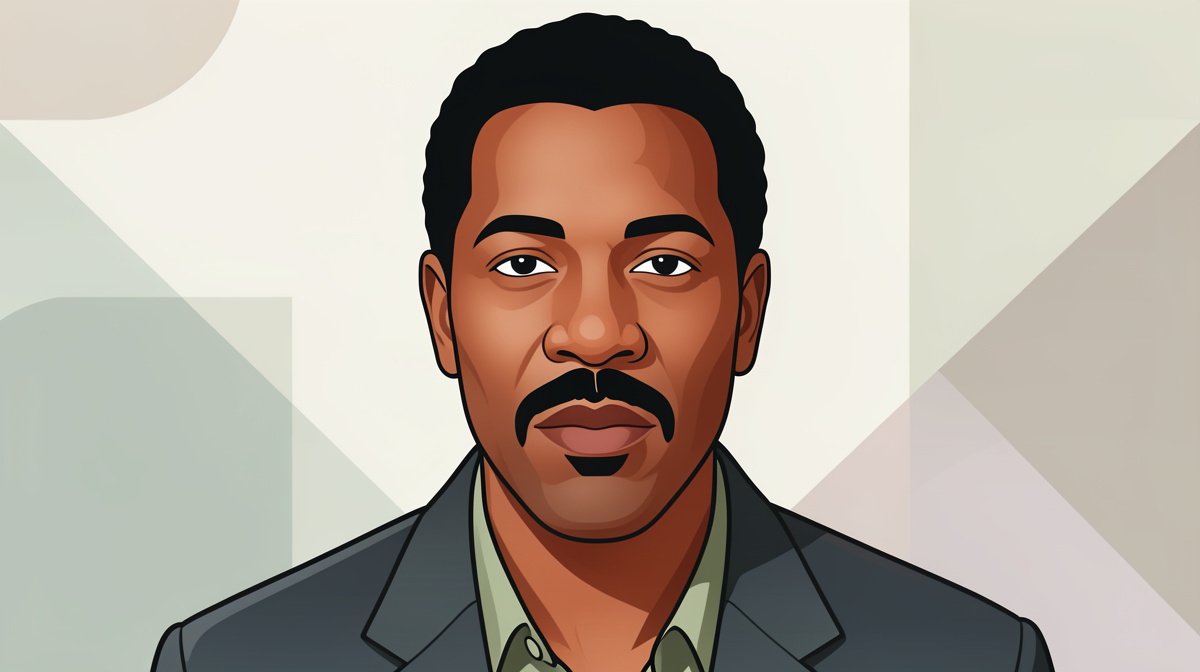
Richard Pryor was a trailblazing American stand-up comedian and actor, known for his unapologetic and raw storytelling style. Born on December 1, 1940, Pryor left an indelible mark on the entertainment industry with his unique blend of humor and vulnerability. Throughout his illustrious career, which spanned over four decades, Pryor earned numerous accolades, including a Primetime Emmy Award and five Grammy Awards. He was also the first recipient of the Kennedy Center Mark Twain Prize for American Humor in 1998. Pryor’s net worth at the time of his death was estimated to be around $40 million. His influence on comedy continues to be felt today, cementing his status as one of the greatest comedians of all time.
Early Life and Background
Richard Pryor was born on December 1, 1940, in Peoria, Illinois, to Gertrude L. Thomas and LeRoy Pryor. His father was a barber, and his mother was a schoolteacher. Pryor’s family moved frequently during his childhood, settling in several different cities in the Midwest. This nomadic lifestyle would later influence his comedic storytelling style, where he often drew from his own experiences and observations.
Growing up in a low-income household, Pryor faced many challenges, including poverty and racism. Despite these difficulties, he found solace in comedy and music, with Louis Armstrong and Charlie Parker being among his early influences. Pryor’s family was also known for their strong sense of humor, with his mother often telling jokes and stories to entertain her children.
Pryor attended Proctor High School in Peoria, where he was an average student but excelled in sports. He was particularly skilled in football and track, and his athletic abilities earned him a scholarship to Wichita State University in Kansas. However, Pryor dropped out of college after one year to pursue a career in entertainment.
Career Beginnings

Richard Pryor’s career began in the early 1960s, with his first job as a mail carrier in Peoria, Illinois. However, it was his early ventures in entertainment that would eventually lead to his breakthrough in the comedy world. Pryor started performing stand-up comedy in the early 1960s, often at local bars and clubs in the Chicago area.
As Pryor honed his craft, he began to gain recognition for his unique style of storytelling and trenchant observations. He started to make a name for himself in the comedy scene, performing at various clubs and venues in the Midwest. Pryor’s early performances often featured his raw, unbridled energy and unapologetic humor, which would eventually become a hallmark of his career.
In the early 1960s, Pryor also started to appear on local television shows, including a stint as a regular performer on the “The Tonight Show”. Although he faced racism and sexism in the entertainment industry, Pryor persevered and continued to work towards his goal of becoming a successful comedian. His early experiences laid the foundation for his future success and helped shape the comedian he would become.
Major Achievements and Success
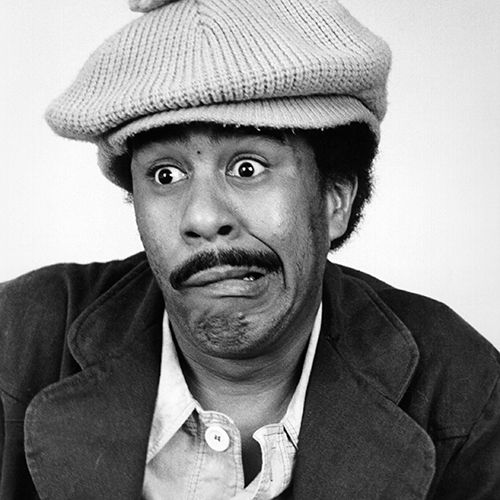
Richard Pryor’s remarkable career was marked by numerous notable works and major accomplishments that solidified his position as one of the greatest comedians of all time. He won a Primetime Emmy Award and five Grammy Awards, including the Grammy Award for Best Comedy Album for several of his concert films and recordings. These accolades demonstrate his exceptional talent and dedication to his craft.
| Full Name | Richard Franklin Lennox Thomas Pryor |
| Date of Birth | December 1, 1940 |
| Age | 65 years |
| Place of Birth | Peoria, Illinois |
| Nationality | American |
| Occupation | Stand-up Comedian, Actor |
| Notable Works / Achievements | Primetime Emmy Award, 5 Grammy Awards, Kennedy Center Mark Twain Prize for American Humor |
| Awards | Primetime Emmy Award, 5 Grammy Awards, Writers Guild of America Award |
| Year of Award | 1974, 1998 |
| Notable Concert Films / Recordings | That Nigger’s Crazy (1974), …Is It Something I Said? (1975), Bicentennial Nigger (1976), Richard Pryor: Live on the Sunset Strip (1982), Richard Pryor: Here and Now (1983) |
| Date of Death | December 10, 2005 |
Some of Pryor’s most notable works include concert films and recordings such as That Nigger’s Crazy (1974), …Is It Something I Said? (1975), Bicentennial Nigger (1976), Richard Pryor: Live on the Sunset Strip (1982), and Richard Pryor: Here and Now (1983). These projects showcased his unique storytelling style and trenchant observations, reaching a broad audience and cementing his legacy in the world of comedy.
Pryor’s impact on the comedy world was further recognized with the first Kennedy Center Mark Twain Prize for American Humor in 1998. This prestigious award is a testament to his enduring influence and contributions to the art of comedy. Additionally, he won the Writers Guild of America Award in 1974, highlighting his exceptional writing skills and ability to craft compelling stories that resonate with audiences.
Business Ventures and Investments

Richard Pryor’s entrepreneurial spirit extended beyond his illustrious career as a comedian and actor. He ventured into various business endeavors, showcasing his ability to diversify and adapt. Pryor founded his own production company, Richard Pryor Productions, which played a significant role in producing several of his concert films and recordings. This strategic move allowed him to maintain creative control and capitalize on his immense success.
Under his production company, Pryor produced several notable projects, including concert films like Richard Pryor: Live on the Sunset Strip (1982) and Richard Pryor: Here and Now (1983). These films not only showcased his exceptional comedic talent but also demonstrated his business acumen. Pryor’s ability to balance his creative pursuits with savvy business decisions contributed significantly to his financial success.
Pryor’s investments and business decisions also extended to real estate and other ventures. While specific details about his investments are scarce, it is evident that he made calculated decisions to diversify his portfolio and secure his financial future. This aspect of his career, though not as widely publicized as his comedic achievements, highlights Pryor’s entrepreneurial spirit and ability to navigate various industries.
Personal Life
Richard Pryor was married seven times, with his first marriage to Patricia Price in 1960, and his last marriage to Jennifer Lee in 1986. He had a total of seven children from these marriages, including Richard Pryor Jr., Elizabeth Pryor, and Kelsey Pryor. Pryor’s relationships were often tumultuous, and he struggled with addiction throughout his life.
In his free time, Pryor enjoyed playing golf and was an avid fan of the sport. He was also known to be a passionate reader and was particularly fond of the works of Mark Twain. Pryor’s lifestyle was often marked by excess and indulgence, which took a toll on his physical and mental health. Despite these challenges, he remained a charismatic figure and was beloved by his fans.
Pryor’s personal life was often overshadowed by his professional success, but he was a devoted father and partner to those close to him. He was known to be fiercely protective of his family and would go to great lengths to support and care for them. Pryor’s personal struggles and triumphs are a testament to his resilience and determination.
Net Worth and Financial Success
Richard Pryor’s net worth and financial success are a testament to his enduring impact on the entertainment industry. As one of the highest-paid comedians of his time, Pryor’s income sources included lucrative concert tours, film appearances, and record sales. His concert films and recordings generated significant revenue, with albums such as That Nigger’s Crazy (1974) and Richard Pryor: Live on the Sunset Strip (1982) winning him multiple Grammy Awards for Best Comedy Album.
Pryor’s financial status was also boosted by his successful business ventures, although specific details about these endeavors are not available. However, it is known that he earned a substantial amount from his film appearances, with some sources estimating his annual income to be in the millions. By the time of his death in 2005, Pryor’s net worth was estimated to be around $40 million.
Pryor’s financial success was a result of his tireless work ethic and innovative approach to comedy. He was one of the first comedians to speak openly about his experiences with racism and personal struggles, which resonated with audiences and helped to establish him as a household name. His legacy continues to inspire new generations of comedians and entertainers, cementing his status as one of the greatest and most influential comedians of all time.
Legacy and Impact
Richard Pryor’s legacy extends far beyond his own time, influencing generations of comedians and entertainers. His unapologetic and honest storytelling style paved the way for future comedians to tackle previously taboo subjects. He is widely regarded as one of the greatest and most influential comedians of all time, known for his ability to reach a broad audience with his trenchant observations.
Pryor’s impact on the comedy world is undeniable. He won a Primetime Emmy Award and five Grammy Awards, cementing his status as a master of his craft. His influence can be seen in comedians such as Chris Rock, Dave Chappelle, and Eddie Murphy, who have all cited Pryor as a major inspiration. Pryor’s willingness to push boundaries and challenge societal norms has also inspired a new wave of comedians to tackle complex and sensitive subjects.
As a result of his groundbreaking work, Pryor’s legacy continues to endure. He received the first Kennedy Center Mark Twain Prize for American Humor in 1998, a testament to his enduring impact on the world of comedy. His influence extends beyond the comedy world, with his unflinching honesty and willingness to confront difficult subjects inspiring artists and entertainers across a range of disciplines.