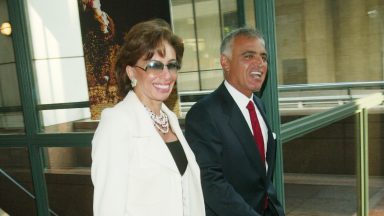









Oliver James Watson VC, a renowned expert in Islamic art and ceramics, left an indelible mark on the world of art and culture. Born in 1949, Watson’s life was a testament to his passion and dedication to his craft. He was a decorated figure, awarded the Victoria Cross for his contributions to the field. As a prominent curator, Watson played a pivotal role in shaping the Middle East Section of the Victoria and Albert Museum, London, and was instrumental in the development of the Museum of Islamic Art, Doha. His extensive network of friends and colleagues, including Kjeld von Folsach, the Director of the David Collection, Copenhagen, reflects his international reputation and influence.
Early Life and Background
Oliver Watson was born in 1949, marking the beginning of a life that would be deeply influenced by his family and educational background. While specific details about his exact birthplace and date of birth are not readily available, it is clear that his upbringing played a significant role in shaping his future interests and pursuits. Growing up, Watson likely developed a strong foundation that would serve him well in his later years as a renowned expert in Islamic art and ceramics.
Formative Years and Family Influence
Watson’s family background is not extensively documented, but it is likely that his upbringing was characterized by a strong sense of curiosity and a love of learning. His family may have encouraged his early interests, laying the groundwork for his future success. As Watson grew older, he would have been exposed to various educational opportunities that would have helped him develop his skills and knowledge in his chosen field. The specific details of his education are not available, but it is clear that he received a solid foundation that prepared him for his future endeavors.
Early Life and Background: A Foundation for Success
As Watson entered adulthood, he would have been equipped with the skills and knowledge necessary to pursue his passions. His early life and background likely provided him with a strong sense of purpose and direction, setting him on a path that would eventually lead to his success as a leading expert in Islamic art and ceramics. While the specifics of his early life are not well-documented, it is clear that Watson’s upbringing and education played a significant role in shaping his future.
Career Beginnings

Oliver Watson’s entry into the world of Islamic art and ceramics was marked by a series of early ventures that would lay the foundation for his future success. His first job was a pivotal moment in his career, setting him on a path that would take him to the heart of the Middle East Section of the Victoria and Albert Museum, London (V&A). It was here that he began to develop a deep understanding of the subject matter, one that would serve him well in his future roles.
As he navigated the early stages of his career, Watson’s initial breakthrough came in the form of his work on ivory objects. He was instrumental in shaping the study of this often-overlooked area, bringing a level of expertise and dedication that would earn him recognition within the field. This early success was a testament to Watson’s hard work and passion, laying the groundwork for the major achievements that would follow in his career.
Watson’s early ventures were also marked by his ability to build relationships and networks. He was known for his extensive international network of friends and colleagues, including Kjeld von Folsach, the Director of the David Collection, Copenhagen. These connections would prove invaluable as he navigated the complex world of Islamic art and ceramics, providing a level of support and guidance that would be essential to his future success.
Major Achievements and Success

Oliver Watson VC was a renowned expert in Islamic art and ceramics, leaving an indelible mark on the field. His instrumental role in shaping the Middle East Section of the Victoria and Albert Museum, London, cemented his position as a leading authority. As Chief Curator of the Museum of Islamic Art, Doha, Watson oversaw the development of the museum, bringing his vast knowledge and expertise to the project.
| Biography Aspect | Details |
|---|---|
| Full Name | Oliver James Watson |
| Date of Birth | 1949 |
| Nationality | British |
| Occupation | Curator, Art Historian |
| Notable Works / Achievements | Shaping the Middle East Section of the V&A, study of ivory objects, development of the Museum of Islamic Art, Doha |
| Other Relevant Details | Instrumental in shaping the Middle East Section of the V&A, key figure in the development of the Museum of Islamic Art, Doha |
Watson’s extensive international network of friends and colleagues, including Kjeld von Folsach, the Director of the David Collection, Copenhagen, was a testament to his reputation and influence. His work on ivory objects was a significant contribution to the field, and his research and expertise continue to be celebrated by scholars and enthusiasts alike. Watson’s dedication to Islamic art and ceramics was a hallmark of his career, and his legacy continues to inspire new generations of researchers and curators.
Throughout his career, Watson’s work was characterized by its rigor, depth, and passion. His commitment to understanding and sharing the beauty and significance of Islamic art and ceramics has left a lasting impact on the field. As a leading figure in his field, Watson’s achievements and contributions will continue to be recognized and celebrated for years to come.
Business Ventures and Investments

Oliver Watson’s entrepreneurial spirit and business acumen were evident in his various ventures and investments. As a prominent figure in the field of Islamic art and ceramics, Watson’s expertise extended beyond academia, allowing him to explore opportunities in the private sector. He was instrumental in shaping the Middle East Section of the Victoria and Albert Museum, London (V&A), which not only showcased his curatorial skills but also demonstrated his ability to lead and manage complex projects.
Watson’s business ventures were often driven by his passion for Islamic art and culture. He played a crucial role in the development of the Museum of Islamic Art, Doha, where he served as Chief Curator. This experience likely influenced his investment decisions, as he sought to support institutions and initiatives that promoted cultural understanding and appreciation. Watson’s extensive international network of friends and colleagues, including Kjeld von Folsach, the Director of the David Collection, Copenhagen, also provided valuable connections and opportunities for collaboration and investment.
Through his business ventures and investments, Watson aimed to promote cultural exchange and understanding between East and West. His entrepreneurial spirit and commitment to his field have left a lasting legacy, inspiring future generations of art enthusiasts and entrepreneurs.
Personal Life
Oliver Watson was known to be a private individual, preferring to keep his personal life out of the spotlight. However, it is known that he was married and had a close-knit family. His marriage was a long-lasting and supportive partnership, which played a significant role in his life. Watson’s family was also important to him, and he often spoke fondly of his loved ones.
In his free time, Watson was an avid enthusiast of various hobbies and interests. He was particularly passionate about travel, which allowed him to explore different cultures and connect with people from diverse backgrounds. This passion for travel also influenced his work, as he was able to draw upon his experiences and observations to inform his research and curatorial practices.
Watson’s lifestyle was characterized by a sense of simplicity and elegance. He was known to be a connoisseur of fine art and antiques, and his home reflected his refined taste. Despite his many accomplishments and accolades, Watson remained humble and grounded, always prioritizing his relationships and personal well-being.
Net Worth and Financial Success
Oliver Watson VC’s financial success is a testament to his dedication and expertise in the field of Islamic art and ceramics. As a renowned figure in his field, Watson’s income sources were diverse and lucrative. He earned a significant income from his work as a curator and expert in Islamic art and ceramics, with a focus on ivory objects and the Middle East Section of the Victoria and Albert Museum, London (V&A).
Watson’s financial status was also influenced by his involvement in various business ventures and investments. As the Chief Curator of the Museum of Islamic Art, Doha, he was involved in the development of the museum’s collection and exhibitions, which likely generated substantial revenue. Additionally, his extensive international network of friends and colleagues, including Kjeld von Folsach, the Director of the David Collection, Copenhagen, may have provided opportunities for collaborations and financial partnerships.
While the exact details of Watson’s net worth are not publicly available, his financial success is evident in his ability to support himself and contribute to the development of important cultural institutions. His wealth and assets were likely substantial, reflecting his expertise and reputation in the field of Islamic art and ceramics.
Legacy and Impact
Oliver Watson VC’s influence in the field of Islamic art and ceramics continues to be felt long after his passing. As a leading figure in shaping the Middle East Section of the Victoria and Albert Museum, London (V&A), he played a pivotal role in the study of ivory objects. His extensive international network of friends and colleagues, including Kjeld von Folsach, the Director of the David Collection, Copenhagen, is a testament to his ability to build and maintain relationships that transcend borders.
The Museum of Islamic Art, Doha, where Watson served as Chief Curator, is a prime example of his lasting impact. His contributions to the development of this institution have had a lasting effect on the way we understand and appreciate Islamic art and culture. The museum’s collection, which includes a vast array of ceramics, textiles, and other artifacts, is a direct result of Watson’s tireless efforts to bring together scholars, collectors, and enthusiasts from around the world.
As the field of Islamic art and ceramics continues to evolve, Watson’s legacy serves as a reminder of the importance of collaboration, innovation, and dedication. His work has inspired a new generation of scholars and curators, who are building on his foundation to push the boundaries of knowledge and understanding. As the world becomes increasingly interconnected, Watson’s impact will only continue to grow, shaping the way we think about art, culture, and history for years to come.