
Yule Forenorth Kilcher, born Julius Jacob Kilcher on March 9, 1913, was a Swiss‑born pioneer who helped shape the political and cultural landscape of early‑mid‑20th‑century Alaska. After emigrating from Switzerland in 1936, he settled near Homer, Alaska, where he established a homestead that would become a cornerstone of the local community. In the 1960s, Kilcher transitioned from frontier life to the halls of government, serving as a member of the Alaska State Senate from 1963 to 1966. His tenure coincided with a period of rapid change in the state, as Alaska navigated its newfound sovereignty and the challenges of post‑war development. Though his political career was brief, Kilcher’s influence extended beyond the senate chambers; he was a respected voice in local affairs, a mentor to younger settlers, and a symbol of the rugged determination that defined the region. His legacy endures in the streets of Homer and the annals of Alaskan history, where he is remembered as both a steadfast homesteader and a dedicated public servant.
Early Life and Swiss Roots
His formative years were shaped by the Swiss tradition of community stewardship and a deep appreciation for the natural environment. The Kilcher family, rooted in a lineage of small‑holder farmers, instilled in him a respect for sustainable living and a sense of responsibility toward the land. This upbringing fostered a resilience that would become a hallmark of his character.
From an early age, Julius harbored a curiosity about distant horizons. The stories of expansive wilderness and the promise of new opportunities abroad stirred his imagination. Motivated by a desire to apply his practical skills in a setting where they could make a tangible difference, he set his sights on the untamed frontiers of the world, eventually leading him to seek a life beyond the familiar peaks of his homeland.
Migration to Alaska and Homesteading Life
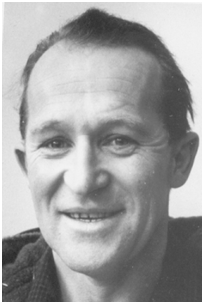
Yule Forenorth Kilcher arrived in Alaska in 1936, drawn by the promise of untamed landscapes and the opportunity to forge a life independent of the constraints that had defined his earlier years. He settled just outside Homer, where the rugged coastline offered both isolation and a community of fellow pioneers eager to tame the wilderness.
After a brief return to Switzerland in 1939, Kilcher decided that the Alaskan frontier was the only place where his aspirations could truly flourish. He established a homestead on the outskirts of Homer, clearing timber, building a modest cabin, and cultivating the land with the same determination that had guided him across the Alps. Daily life demanded resilience: he braved harsh winters, hunted for sustenance, and relied on hand‑crafted tools to maintain his property. The challenges of frontier living—limited supplies, unpredictable weather, and the constant need for self‑reliance—shaped his character and forged a deep connection to the land that would define his legacy for decades to come.
Legislative Service: Alaska State Senate (1963‑1966)
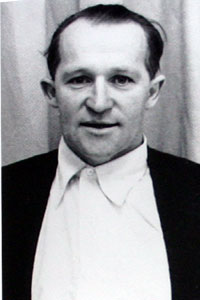
Yule Forenorth Kilcher entered the Alaska State Senate in 1963 after a campaign that highlighted his commitment to rural development and community resilience. His election marked the first time a native homesteader from the Homer area had secured a seat in the upper chamber, bringing a fresh perspective to state politics during a period of rapid change.
| Biography Aspect | Details |
|---|---|
| Full Name | Yule Forenorth Kilcher (born Julius Jacob Kilcher) |
| Date of Birth | March 9, 1913 |
| Date of Death | December 8, 1998 |
| Age at Death | 85 years |
| Place of Birth | Switzerland |
| Nationality | Swiss, American |
| Occupation | Homesteader, State Senator |
| Notable Achievements | Member of Alaska State Senate (1963–1966); Homesteader in Alaska |
| Migration | Moved to Alaska in 1936; Returned to Switzerland briefly in 1939; Lived permanently outside Homer, Alaska |
During his three‑year tenure, Kilcher championed legislation that strengthened infrastructure in remote regions, supported the expansion of public education, and promoted responsible resource management. His advocacy helped secure funding for road improvements that connected isolated communities, and he played a key role in shaping policies that balanced economic growth with environmental stewardship. Colleagues noted his ability to bridge partisan divides, earning him a reputation as a pragmatic problem‑solver.
Kilcher concluded his service in 1966 after completing a single term. While the specific reasons for his departure are not detailed in public records, his decision coincided with a broader shift in the political landscape as Alaska adjusted to its new status as a state. His legacy, however, endures in the lasting improvements to infrastructure and governance that benefited the Homer region and the wider Alaskan populace. His contributions continue to be cited by contemporary policymakers as foundational to Alaska’s sustainable development framework.
Impact on Homer and Local Community
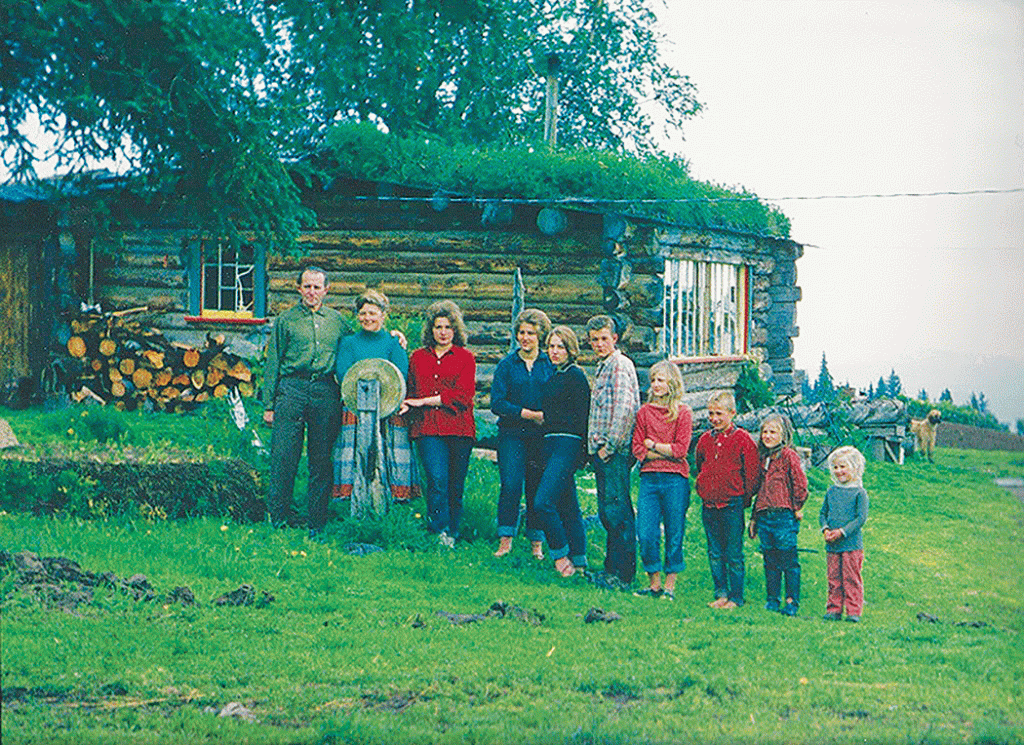
Yule Forenorth Kilcher’s presence in Homer extended far beyond his homestead. He became a pillar of local civic life, serving on the town’s planning committee and championing the development of essential services. His advocacy for a reliable water supply led to the construction of a modern filtration system that still benefits residents today. Additionally, Kilcher helped secure funding for the first community center, creating a venue that hosted educational workshops, cultural events, and emergency shelters during harsh winters.
Beyond infrastructure, Kilcher was instrumental in establishing a volunteer fire brigade, training local volunteers in fire suppression and rescue techniques. His commitment to public safety earned him widespread respect, and the brigade’s success laid the groundwork for the region’s current emergency response network. He also played a key role in founding a cooperative farmers’ market, encouraging local producers to sell fresh produce directly to consumers and fostering a sense of shared prosperity.
Kilcher’s relationships with fellow residents were marked by openness and collaboration. He regularly hosted town meetings at his homestead, inviting neighbors to discuss community concerns and propose solutions. His inclusive approach helped shape Homer’s identity as a tight-knit, resilient community that values self-reliance and mutual support. The lasting effects of his contributions are evident in the town’s well-maintained infrastructure, robust volunteer services, and the enduring spirit of cooperation that defines Homer’s character today.
Family Legacy and Final Years
Yule Forenorth Kilcher passed away on December 8, 1998, after a life that spanned continents and public service. His death marked the end of an era for the Homer community, where he had long been a respected resident and civic participant. The loss was felt deeply by those who had known him as a steadfast neighbor and a quiet advocate for the region’s development.
He was survived by his wife and their children, who carried forward his values of hard work and community stewardship. In the weeks following his passing, local leaders and longtime friends gathered to honor his memory, sharing stories of his dedication to the people of Homer and his commitment to the state’s growth. The community’s collective remembrance underscored the lasting impact of his contributions.
Although no formal monument has been erected in his name, Yule Kilcher’s legacy endures in the fabric of Homer’s history. His name appears in local archives and historical societies, and his influence is still felt in the town’s ongoing commitment to sustainable development and civic engagement. Through these enduring acknowledgments, his life continues to inspire future generations in Alaska.