









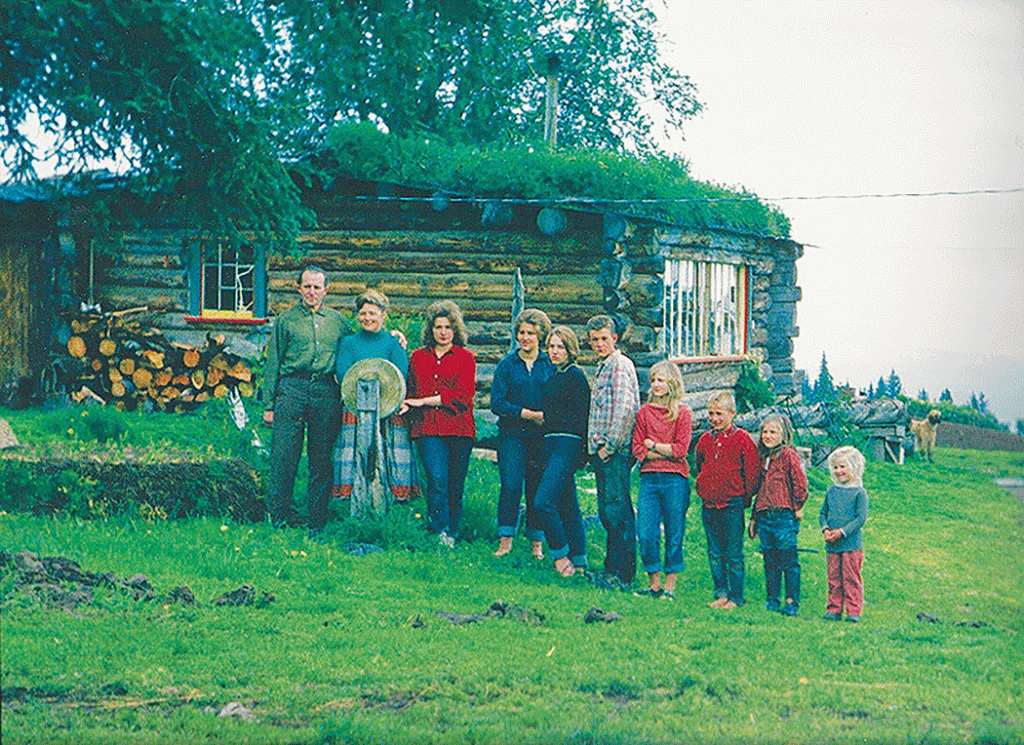
Yule Kilcher, a Swiss-born American, left an indelible mark on the state of Alaska through his remarkable homesteading career and foray into politics. As a renowned homesteader, Kilcher settled in Alaska in 1936, permanently making it his home after a brief return to Switzerland in 1939. Born Julius Jacob Kilcher on March 9, 1913, Kilcher would go on to live a life of great significance, marked by his dedication to the land and his community. His net worth, though not publicly disclosed, reflects his successful endeavors as a homesteader and politician. As a member of the Alaska state senate from 1963 to 1966, Kilcher’s legacy extends beyond his homesteading accomplishments, showcasing his commitment to public service.
A Swiss Homesteader in Alaska
Yule Forenorth Kilcher, a Swiss-born American, was born March 9, 1913, in Switzerland. His early life was marked by the rugged beauty of the Swiss mountains, which would later influence his decision to become a homesteader in the vast wilderness of Alaska. The young Julius Jacob Kilcher, as he was known then, grew up surrounded by the rolling hills and picturesque villages of his native country.
In 1936, a sense of adventure and a desire for a new challenge led Kilcher to leave Switzerland and make the long journey to Alaska. He settled in the area outside of Homer, a small town on the southern coast of the Kenai Peninsula. After a brief return to Switzerland in 1939, Kilcher made the decision to stay in Alaska permanently, drawn by the vast open spaces and the promise of a simpler, more self-sufficient way of life. With little more than determination and a strong work ethic, Kilcher began the process of clearing land and building a new home, marking the start of his life as a homesteader in the unforgiving yet beautiful landscape of Alaska.
Pioneering Homesteading in Alaska
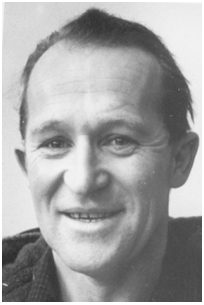
Yule Kilcher’s experiences as a homesteader outside of Homer, Alaska, were marked by both challenges and successes. He settled in a remote area, where he had to rely on his own skills and resourcefulness to survive. He cleared the land, built a cabin, and cultivated a garden, all while facing the harsh Alaskan climate and wildlife. The rugged terrain and unpredictable weather conditions made every day a struggle, but Yule persevered, driven by his determination to build a new life in the wilderness.
Despite the difficulties, Yule’s homesteading endeavors flourished. He became self-sufficient, relying on his own produce and hunting skills to feed himself and his family. His garden, which he tended with care, provided a bounty of fresh fruits and vegetables, while his hunting skills ensured a steady supply of meat. Yule’s homesteading experience also allowed him to develop a deep connection with the natural world, which he cherished and respected.
Yule’s homesteading achievements earned him recognition within the local community. He became a respected figure in the area, known for his expertise in self-sufficiency and his ability to thrive in the harsh Alaskan environment. His experiences as a homesteader laid the foundation for his later success in public service, where he would go on to make significant contributions to the development of Alaska.
A Life of Public Service: Alaska State Senate
In 1963, Yule Kilcher made a significant foray into Alaska’s politics when he was elected to the Alaska State Senate. This marked a new chapter in his life, one that would see him serve the people of Alaska for three years. During his time in office, Kilcher was committed to representing the interests of his constituents and advocating for policies that would benefit the state as a whole.
| Biography Aspect | Details |
|---|---|
| Full Name | Julius Jacob Kilcher |
| Date of Birth | March 9, 1913 |
| Age | 85 years (at death) |
| Place of Birth | Switzerland |
| Nationality | Swiss-American |
| Occupation | Homesteader, Politician |
| Notable Works / Achievements | Member of the Alaska state senate (1963-1966) |
| Date of Death | December 8, 1998 |
| Place of Residence | Outside of Homer, Alaska |
As a senator, Kilcher played a key role in shaping the state’s legislation. He was instrumental in passing several important bills, including the Alaska Game Law, which aimed to conserve and manage the state’s wildlife resources. Kilcher’s dedication to the environment and his commitment to responsible land use were evident in his work on this legislation. His efforts helped to ensure that Alaska’s natural resources were protected for future generations.
Kilcher’s time in the Alaska State Senate was marked by his tireless work ethic and his commitment to public service. As a senator, he was a strong advocate for the people of Alaska, and his leadership helped to shape the state’s development during a critical period in its history. His legacy as a dedicated public servant continues to be felt in Alaska today.
Marriage and Family Life
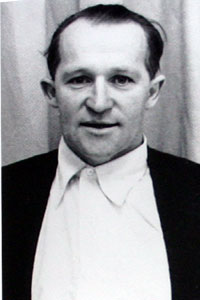
Yule Kilcher’s personal life was filled with love and devotion. In 1938, he married Ruth Weber Kilcher, a woman who would become his lifelong partner. Together, they built a life filled with hard work, self-sufficiency, and a deep love for the land they called home. Ruth was a strong and capable individual who shared Yule’s passion for homesteading and the Alaskan wilderness.
The Kilchers had four children together: Holly, Ruthanne, Peter, and Levi. Each of their children grew up with a strong sense of independence and self-reliance, values that their parents instilled in them from a young age. As a family, they worked together to build and maintain their homestead, relying on each other for support and companionship. This close-knit family dynamic was a source of strength and comfort for Yule and Ruth, and it allowed them to face the challenges of homesteading with confidence and determination.
Legacy of a Homesteading Pioneer
Yule Kilcher’s impact on Alaska’s homesteading community has endured long after his passing in 1998. As a pioneer in self-sufficiency, he inspired countless individuals to adopt a similar lifestyle, fostering a sense of community and cooperation among homesteaders. His commitment to living off the land and relying on his own resources has left a lasting legacy in the state’s development.
Contributions to Alaska’s Development
Kilcher’s contributions to Alaska’s development are multifaceted and far-reaching. As a member of the Alaska State Senate from 1963 to 1966, he played a key role in shaping the state’s policies and legislation. His experiences as a homesteader and his understanding of the challenges faced by rural communities informed his decisions and helped to create a more equitable and sustainable future for Alaska’s residents. Despite his passing, his legacy continues to inspire and guide those working towards a more self-sufficient and environmentally conscious way of life.
Notable Recognition
Throughout his life, Kilcher received numerous awards and recognition for his contributions to Alaska’s development and his commitment to self-sufficiency. His dedication to his community and his way of life has left a lasting impact on the state and its residents. As a testament to his enduring legacy, Kilcher’s story continues to inspire and motivate those seeking to live a more sustainable and self-sufficient lifestyle.
A Life of Self-Sufficiency and Perseverance
Yule’s unwavering commitment to self-sufficiency was a hallmark of his life. He believed in living off the land, relying on his own two hands to provide for himself and his family. This approach to living was not just a necessity, but a way of life that allowed him to connect with the natural world and find a sense of purpose. He once said, “A man must be prepared to face the challenges of nature, to live with the elements, and to rely on his own strength and resourcefulness.”
Yule’s ability to adapt to the challenges of homesteading was a testament to his resilience and determination. He faced numerous obstacles, from harsh weather conditions to limited resources, but he persevered, always finding a way to overcome the hurdles in his path. He was a true pioneer, willing to take risks and push beyond the boundaries of what was thought possible. His self-sufficiency was not just a means of survival, but a way of life that allowed him to thrive in one of the most unforgiving environments on earth.
As a result of his unwavering commitment to self-sufficiency, Yule was able to live a life that was truly his own. He was a man who lived by his own rules, relying on his own strength and resourcefulness to navigate the challenges of the natural world. His legacy continues to inspire those who value self-reliance and a connection to the land.