








Maria Victoria Henao, also known as Tata, is the mother of the infamous Colombian drug lord Pablo Escobar, whose life and reign as the “King of Cocaine” captivated the world in the 1980s and 1990s. Born in 1958, Henao’s life became inextricably linked with that of her son, who amassed an estimated net worth of $30 billion before his death in 1993. As the leader of the Medellín Cartel, Escobar’s career highlights included monopolizing the cocaine trade into the US and becoming one of the wealthiest conventional criminals in history. Henao’s relationship with her son has been a subject of fascination, with many wondering about the circumstances of their lives and the factors that contributed to Escobar’s rise to power.
Early Life and Background
Pablo Escobar was born on December 1, 1949, in Rionegro, a small town in the Antioquia region of Colombia. His early life would shape the man he would become, a complex and multifaceted individual with a penchant for both good and evil. Escobar’s family background played a significant role in his formative years. His father, Abel de Jesús Dari Escobar, was a farmer and a mechanic, while his mother, Hermilda Gaviria de Escobar, was a homemaker. The family’s modest means and the societal pressures of rural Colombia would later influence Escobar’s decisions and actions.
Escobar’s childhood was marked by a strong sense of family and community. He was the eldest of seven children, and his parents instilled in him a strong work ethic and a sense of responsibility. However, Escobar’s early years were also marked by a sense of restlessness and discontent. He attended the Universidad Autónoma Latinoamericana of Medellín, but dropped out without graduating. This decision would prove to be a turning point in his life, marking the beginning of a path that would lead him down a road of crime and violence.
In his formative years, Escobar was known to be a charismatic and ambitious individual. He was drawn to the world of crime and quickly became involved in various illicit activities, including selling illegal cigarettes and fake lottery tickets, as well as participating in motor vehicle theft. These early experiences would lay the groundwork for his future success as a drug lord, but they also marked the beginning of a life of crime and violence that would ultimately lead to his downfall.
Career Beginnings
Pablo Escobar’s entry into the world of crime began with small-time operations. At a young age, he started selling illegal cigarettes and fake lottery tickets, taking advantage of the lax regulations in Colombia at the time. This early foray into illicit activities laid the groundwork for his future involvement in more serious crimes. Escobar’s willingness to take risks and exploit loopholes in the system would become a hallmark of his career as a notorious drug lord.
As he grew older, Escobar’s involvement in crime escalated. He began participating in motor vehicle theft, a common practice in Colombia during the 1960s and 1970s. This activity not only provided him with a means to acquire wealth but also introduced him to a network of individuals who would eventually become key players in his future endeavors. Escobar’s ability to navigate the underworld and build relationships with other criminals would prove crucial in his rise to power.
The early years of Escobar’s life set the stage for his eventual rise to prominence as a major figure in the Colombian cocaine trade. His initial forays into crime, though small in scale, demonstrated his willingness to take risks and exploit opportunities, laying the foundation for the Medellín Cartel, which would become the epicenter of his notorious career.
Major Achievements and Success

As the leader of the Medellín Cartel, Pablo Escobar’s reign was marked by unprecedented success and notoriety. Dubbed the “King of Cocaine”, he monopolized the cocaine trade into the United States in the 1980s and early 1990s, amassing an estimated net worth of US$30 billion by the time of his death. This staggering wealth was a testament to his cunning business acumen and ruthless tactics.
| Biography Aspect | Details |
|---|---|
| Full Name | Maria Victoria Henao |
| Nationality | Colombian |
| Spouse | Pablo Escobar |
| Children | Juan Pablo Escobar, Manuela Escobar |
Under Escobar’s leadership, the Medellín Cartel became a behemoth in the global cocaine trade, with a vast network of smugglers, distributors, and associates. His organization’s reach was so extensive that it’s estimated that over 80% of the cocaine consumed in the United States during the late 1980s and early 1990s was smuggled into the country by the Medellín Cartel. This remarkable achievement was a result of Escobar’s strategic partnerships with other cartels, corrupt government officials, and his own innovative smuggling methods.
Escobar’s success was not limited to his business ventures. He also became a prominent figure in Colombian politics, using his wealth and influence to manipulate the system to his advantage. His rise to power was marked by a series of high-profile assassinations and intimidation tactics, cementing his reputation as a ruthless and cunning leader. Despite his notorious reputation, Escobar’s reign was marked by a period of relative stability and economic growth in Medellín, earning him a measure of admiration from some in the community.
Business Ventures and Investments

As the founder and leader of the Medellín Cartel, Pablo Escobar’s business ventures and investments were vast and lucrative. He established a number of companies, including Inversiones Oceanview, which was involved in real estate and construction. This venture allowed Escobar to invest in various properties, including apartments and commercial buildings, further expanding his wealth and influence.
Escobar’s business decisions were often shrouded in secrecy, but it is known that he had a keen eye for opportunity. He invested heavily in the cocaine trade, which became the backbone of his empire. Through his cartel, Escobar was able to monopolize the cocaine trade into the US in the 1980s and early 1990s, amassing an estimated net worth of US$30 billion by the time of his death. This staggering sum made him one of the wealthiest conventional criminals in history.
Escobar’s entrepreneurial spirit also led him to invest in other ventures, including Avianca, a Colombian airline. His influence extended beyond the cocaine trade, and he was able to use his wealth and power to shape the business landscape of Colombia. Despite the illicit nature of his activities, Escobar’s business acumen and strategic thinking were undeniable, and his impact on the business world continues to be felt today.
Personal Life
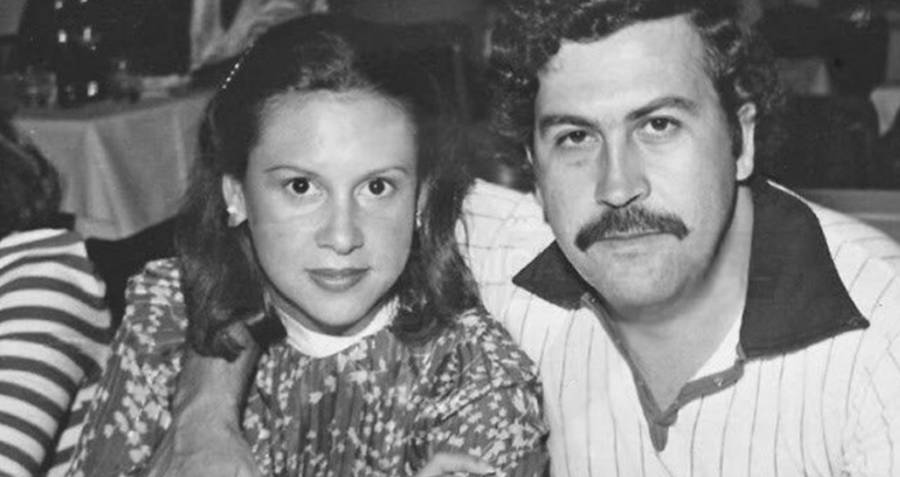
Maria Victoria Henao, the mother of Pablo Escobar’s two children, was born in 1958 in Medellín, Colombia. She met Escobar in 1976 when she was just 18 years old, and the two began a romantic relationship. Maria Victoria was six years younger than Escobar. The couple married in 1976, and Maria Victoria became pregnant with their first child, Juan Pablo Escobar, in 1977. Their second child, Manuela Escobar, was born in 1984.
Escobar’s family life was marked by luxury and excess, as he amassed a vast fortune through his illicit activities. The Escobar family lived in a grand mansion in Medellín, complete with a private zoo, a movie theater, and a swimming pool. Maria Victoria was known to be fiercely loyal to her husband and children, and she often used her charm and beauty to help him navigate the complex world of Colombian politics and crime.
Despite the lavish lifestyle, Escobar’s family life was not without its challenges. Maria Victoria was reportedly involved in some of Escobar’s business dealings, and she was known to have used her connections to help him evade capture by law enforcement. However, she also reportedly had a strained relationship with her husband, particularly in the later years of his life. The couple’s marriage was marked by periods of separation and reconciliation, and Maria Victoria eventually left Escobar in 1991, just two years before his death.
Net Worth and Financial Success
Pablo Escobar’s vast financial empire was built on the back of the Medellín Cartel’s cocaine trade dominance. As the “King of Cocaine,” he amassed an estimated net worth of $30 billion by the time of his death in 1993. This staggering figure is a testament to the cartel’s grip on the global cocaine market, particularly in the United States during the 1980s and early 1990s.
The bulk of Escobar’s wealth came from the sale of cocaine, which was smuggled into the US through various routes, including the infamous “Narco-Submarines.” These clandestine vessels allowed the cartel to transport massive quantities of cocaine, often undetected by law enforcement agencies. As a result, Escobar’s income soared, with estimates suggesting that he earned $400 million per month at the height of his power. This staggering income allowed him to accumulate a vast array of assets, including real estate, luxury vehicles, and a private zoo.
Escobar’s financial success was also fueled by his investments in legitimate businesses, such as real estate and construction. He owned numerous properties in Colombia and the US, including a sprawling estate in Medellín and a mansion in Miami. His business ventures also extended to the production of fake currency, which was used to launder money and fund his illicit activities. Despite his eventual downfall and death, Escobar’s financial legacy continues to be felt, with estimates suggesting that his net worth would be equivalent to over $60 billion in today’s dollars.
Legacy and Impact
The legacy of Pablo Escobar continues to shape the global conversation on organized crime and its far-reaching consequences. His reign as the “King of Cocaine” left an indelible mark on the international community, with many countries still grappling with the aftermath of his cartel’s activities. The estimated $30 billion net worth accumulated by Escobar’s empire serves as a stark reminder of the devastating impact of narcotics trafficking on economies and societies worldwide.
The Medellín Cartel’s grip on the global cocaine trade during the 1980s and early 1990s had a profound impact on the United States, contributing to a surge in addiction, crime, and social unrest. The ripple effects of Escobar’s operations are still felt today, with many experts attributing the ongoing opioid crisis in part to the lessons learned from the cocaine trade. As the world continues to navigate the complex issues surrounding organized crime, Escobar’s legacy serves as a cautionary tale of the destructive power of unchecked greed and the importance of effective law enforcement.
In the decades since Escobar’s death, there has been a growing recognition of the need for a more comprehensive approach to addressing the root causes of organized crime. Efforts to dismantle and disrupt the networks of traffickers have led to significant reductions in cocaine production and trafficking, but the threat remains. As the global community continues to grapple with the challenges posed by organized crime, the lessons learned from Escobar’s rise and fall serve as a reminder of the importance of vigilance and cooperation in the pursuit of a safer, more just world.