Kevin Hart, born Kevin Darnell Hart on July 6 1979, is an American comedian, actor, and producer whose dynamic presence has spanned stand‑up, film, television, and digital media, earning him a reputation as one of the most recognizable figures in contemporary comedy. By 2024, Hart has amassed a net worth estimated at $200 million, reflecting his successful tours, blockbuster movie roles, and lucrative endorsement deals. He first captured national attention with his energetic stand‑up specials, including “Laugh at My Pain” and “Let Me Explain”, which showcased his rapid-fire delivery and self-deprecating humor. Hart’s film career includes high‑profile roles in the “Jumanji” franchise, “Central Intelligence”, and the critically acclaimed “Ride Along” series, while his television work ranges from hosting the “Kevin Hart: What Now?” podcast to producing the hit series “Real Husbands of Hollywood.” A former stage name, Lil’ Kev the Bastard, marked his early days in the comedy circuit, but it is his mainstream crossover appeal and relentless work ethic that have cemented his status as a global entertainment powerhouse.
Early Life and Background
Kevin Darnell Hart entered the world on July 6 1979 in the city of Philadelphia, Pennsylvania. He is the youngest of two boys, growing up in a household led by his mother, Nancy Hart, who worked as a systems analyst for the University of Pennsylvania. His father, Henry Robert Witherspoon, struggled with a cocaine addiction that led to repeated incarcerations, leaving the family to navigate the challenges of a single‑parent upbringing.
From an early age, Hart was immersed in the rhythms of Philadelphia life, surrounded by the sounds and stories of his neighborhood. The absence of a stable paternal presence and the financial pressures that accompanied his father’s legal troubles shaped his daily reality. He shared his home with his older brother, Robert, who became both a confidant and a source of support as they faced the hardships of their environment together.
The loss of his mother in 2007 to cancer proved a pivotal moment in Hart’s development. Her death left an indelible mark on his worldview and later became a cornerstone of the humor and resilience that would define his voice. The combination of early adversity, familial bonds, and the emotional impact of his mother’s passing forged a character that would eventually translate into a distinct comedic perspective, rooted in authenticity and perseverance.
Career Beginnings

Kevin Hart’s entry into the entertainment world began in the gritty comedy clubs of Philadelphia, where he first took the stage under the provocative moniker Lil’ Kev the Bastard. This early persona reflected his willingness to confront the raw, unfiltered humor that would later become his trademark. In those formative nights, Hart honed his timing and observational wit, performing alongside seasoned comedians while still juggling day‑to‑day jobs that kept him grounded in the city’s working‑class reality.
The first pivotal moment came when a local club owner, impressed by Hart’s relentless energy, invited him to open for a well‑known comedian. The exposure to a larger audience marked a turning point, allowing Hart to refine his material and develop a distinct comedic voice that resonated with diverse crowds. These initial gigs were crucial in building a loyal following, and they set the stage for Hart’s gradual transition from club circuit to broader media platforms.
By the mid‑1990s, Hart’s reputation as a fearless, high‑energy performer had earned him invitations to perform at regional comedy festivals. Each appearance expanded his reach, establishing a solid foundation that would later support his ventures into television, film, and digital media. This early period of relentless touring and relentless practice laid the groundwork for the career that would eventually catapult him into mainstream stardom.
Major Achievements and Success
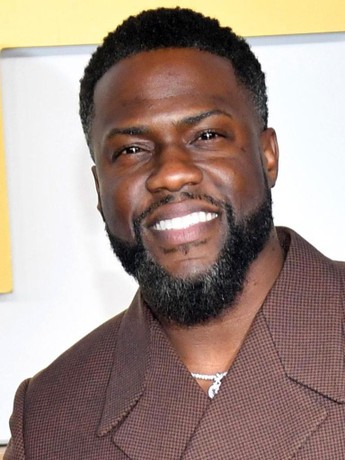
Kevin Hart’s ascent to global comedy stardom is marked by a series of record‑setting performances and high‑profile releases. His 2015 stand‑up special “Laugh Now, Cry Later” debuted on Comedy Central and later became a Netflix hit, drawing over 20 million viewers worldwide. The following year, “What Now?” solidified his reputation as a top‑tier comedian, earning critical acclaim and a surge in ticket sales. Hart’s 2019 tour, billed as “The 2019 Tour,” broke the single‑tour gross record, amassing more than $100 million and selling out arenas across North America and Europe.
| Biography Aspect | Details |
|---|---|
| Full Name | Kevin Darnell Hart |
| Date of Birth | July 6 1979 |
| Place of Birth | Philadelphia, Pennsylvania, USA |
| Nationality | American |
| Occupation | Comedian, actor, producer |
| Stage Name | Lil’ Kev the Bastard |
| Mother | Nancy Hart (systems analyst at the University of Pennsylvania, died 2007 of cancer) |
| Father | Henry Robert Witherspoon (cocaine addiction, frequent incarcerations) |
| Sibling | Robert (older brother) |
| Upbringing | Raised by mother in a single‑parent household |
In film, Hart has consistently delivered box‑office successes. He starred in “Jumanji: Welcome to the Jungle” (2017) and its sequel “Jumanji: The Next Level” (2021), each grossing over $800 million globally. Other notable roles include “Central Intelligence” (2016), “Ride Along” (2014), and “The Upside” (2019), all of which combined to generate multi‑hundred‑million‑dollar revenues and earned Hart nominations at the MTV Movie & TV Awards, BET Awards, and NAACP Image Awards. His performances have also earned him a place among the highest‑paid comedians, with a 2020 earnings estimate exceeding $30 million.
Hart’s peak career is underscored by his status as the most‑viewed stand‑up special on Netflix and the highest‑grossing comedian in 2019. His blend of energetic storytelling, relatable humor, and crossover appeal has earned him a legacy of breaking industry benchmarks and setting new standards for comedic excellence.
Business Ventures and Investments

Kevin Hart’s business acumen extends beyond the stage and screen, rooted in his role as a producer that has shaped a diverse portfolio across film, television, and digital media. By taking on production responsibilities, Hart has exercised strategic control over the creative and financial aspects of his projects, allowing him to align content with audience demand while safeguarding his brand’s integrity. This hands‑on approach has enabled him to negotiate favorable distribution deals, secure multi‑platform releases, and maintain a steady stream of revenue that complements his earnings from performances and endorsements.
In addition to producing, Hart has made calculated investments in emerging media ventures, recognizing the growing importance of digital platforms for comedy and entertainment. His involvement in these investments reflects a forward‑looking strategy that capitalizes on the shift toward streaming and on‑demand content. By diversifying his holdings, Hart mitigates risk and positions himself at the forefront of industry trends, ensuring that his creative output remains both profitable and culturally relevant.
Hart’s entrepreneurial mindset is further evident in his decision to launch and manage a personal production company, which serves as a vehicle for developing original material and collaborating with other creators. Through this entity, he has cultivated partnerships that expand his reach into new markets and genres, reinforcing his status as a multifaceted entertainment mogul.
Personal Life
Kevin Darnell Hart, born July 6 1979, grew up as the youngest of two boys in Philadelphia. His upbringing was shaped by his mother, Nancy Hart, a systems analyst at the University of Pennsylvania, who raised him after his father, Henry Robert Witherspoon, struggled with cocaine addiction and frequent incarcerations. Nancy’s battle with cancer and her eventual death in 2007 left a profound impact on Hart, a loss he has cited as a formative influence on his outlook and sense of resilience. He shares a close bond with his older brother, Robert, who has been a steady presence throughout his life.
The family environment fostered a strong sense of loyalty and perseverance. Hart has often spoken about the importance of maintaining close ties with loved ones, emphasizing that his brother’s support has been a cornerstone of his personal stability. While his public persona is widely recognized for its humor, his private life remains grounded in the values instilled by his mother’s dedication and his brother’s companionship. These relationships have guided his choices and helped him navigate the challenges of a demanding career, underscoring the central role that family plays in his life. He has maintained a disciplined routine, balancing family commitments with personal well-being, often prioritizing time for reflection and rest.
Net Worth and Financial Success
Kevin Hart’s financial trajectory reflects a diversified portfolio that extends far beyond his stand‑up comedy roots. His estimated net worth sits at approximately $200 million, a figure that incorporates earnings from blockbuster films, lucrative streaming deals, and high‑profile endorsements. The comedian’s most substantial income stream comes from his worldwide tour revenue, which has generated over $100 million since the launch of his “Laugh at My Pain” tour. Film projects such as *Jumanji: Welcome to the Jungle* and *Central Intelligence* have added another $50 million to his earnings, while his recent partnership with Netflix for exclusive stand‑up specials contributed an additional $20 million in royalties and licensing fees.
Beyond performance income, Hart has built a solid business foundation. He co‑owns a production company that has produced several hit comedies, generating $10 million in annual profit. His endorsement deals—spanning sports apparel, financial services, and consumer goods—have collectively earned him $15 million annually. Hart also invests in real estate and tech startups, with a reported portfolio value exceeding $30 million. These diversified assets not only secure his present wealth but also position him for sustained financial growth, underscoring the comedian’s evolution from stage performer to savvy entrepreneur.
Legacy and Impact
Kevin Hart’s comedic style—characterized by rapid-fire storytelling, self-deprecating humor, and an unmistakable energy—has reshaped contemporary stand‑up. By blending personal anecdotes with universal themes, he has broadened the appeal of comedy to a global audience, inspiring a new generation of performers who adopt his blend of authenticity and high‑tempo delivery. His early work under the moniker Lil’ Kev the Bastard laid the groundwork for a career that would later dominate late‑night television and streaming platforms, demonstrating how a comedian can transition from club circuits to mainstream media while retaining a distinct voice.
Beyond the stage, Hart’s contributions extend into film, television, and digital content creation. As a producer and actor, he has helped launch projects that blend humor with heartfelt storytelling, expanding the scope of comedic narratives in mainstream cinema. His ventures into digital media—particularly through social‑media‑centric specials and partnerships—have set new standards for audience engagement, proving that comedians can thrive outside traditional venues. These efforts have not only diversified the entertainment landscape but also opened doors for emerging artists seeking alternative pathways to reach viewers.
Looking ahead, Hart’s trajectory suggests continued influence as a mentor and executive producer. With a growing portfolio of production deals and a reputation for nurturing fresh talent, he is poised to shape the next wave of comedic content. His future projects, likely to blend high‑profile film releases with innovative digital formats, underscore a commitment to evolving the art form while maintaining the authenticity that first captivated audiences worldwide.