









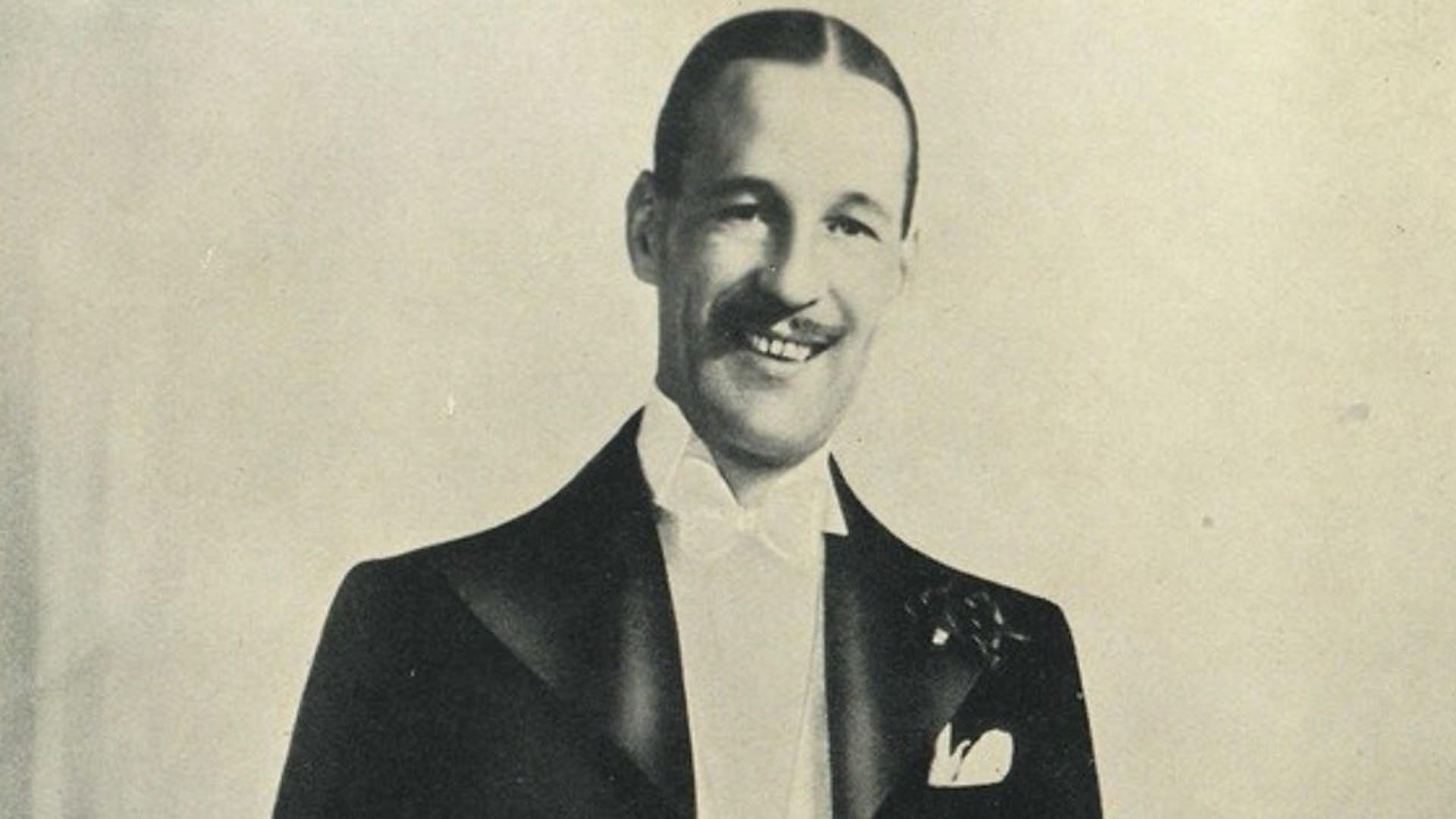
Jasper Maskelyne was a British stage magician who left an indelible mark on the world of entertainment and military history. Born on 29 September 1902, Maskelyne was a member of a renowned family of stage magicians. His illustrious career spanned the 1930s and 1940s, during which he gained recognition for his exceptional skills as a magician. However, it was his contributions to the British military during the Second World War that cemented his place in history. Maskelyne’s remarkable feats of deception, camouflage, and ruses played a significant role in the Allied victory, earning him a unique place in the annals of military history.
A Legacy of Magic: Jasper Maskelyne’s Family Ties
Jasper Maskelyne was born into a family with a rich history in magic. His father, Nevil Maskelyne, was a renowned British stage magician and a prominent figure in the world of magic. Nevil Maskelyne was not only a skilled performer but also a pioneer in the art of magic, known for his innovative approach to illusions and tricks. He was a member of the Magic Circle, a prestigious organization for magicians, and was recognized for his contributions to the art of magic.
Jasper’s grandfather, John Nevil Maskelyne, was also a celebrated magician and inventor. He was a British stage magician and a member of the Magic Circle, and was known for his clever illusions and tricks. John Nevil Maskelyne was also a skilled inventor, and his contributions to the art of magic were significant. He is credited with inventing the first magic cabinet, a device used to create illusions and tricks. Jasper Maskelyne’s family background in magic provided him with a strong foundation in the art, and it is likely that his experiences and knowledge of magic influenced his own career as a magician.
The Art of Deception: Jasper Maskelyne’s Magic Career

Jasper Maskelyne’s rise to fame as a magician was a gradual one, built on the foundations laid by his illustrious family. As a member of the renowned Maskelyne family of magicians, Jasper was destined for greatness. His father, Nevil Maskelyne, was a celebrated magician and illusionist in his own right, and Jasper’s grandfather, John Nevil Maskelyne, was a pioneer of magic in the 19th century. Growing up amidst this rich magical heritage, Jasper was exposed to the art of deception from a young age.
As a performer, Jasper was known for his skill and showmanship. He honed his craft on the stages of London’s West End, dazzling audiences with his illusions and tricks. One of his notable performances was at the Magic Circle, a prestigious magic society in London, where he showcased his expertise in sleight of hand and misdirection. Jasper’s performances were a testament to the family’s legacy, and he quickly established himself as a talented young magician in his own right.
Jasper’s magical career was marked by a series of impressive feats, including his “Vanishing Elephant” illusion, which left audiences stunned and amazed. This and other tricks cemented his reputation as a master of magic, and he became a favorite among London’s magic enthusiasts. With his talent, charisma, and family connections, Jasper Maskelyne was well on his way to becoming one of the most celebrated magicians of his time.
Behind Enemy Lines: Jasper Maskelyne’s Military Deception
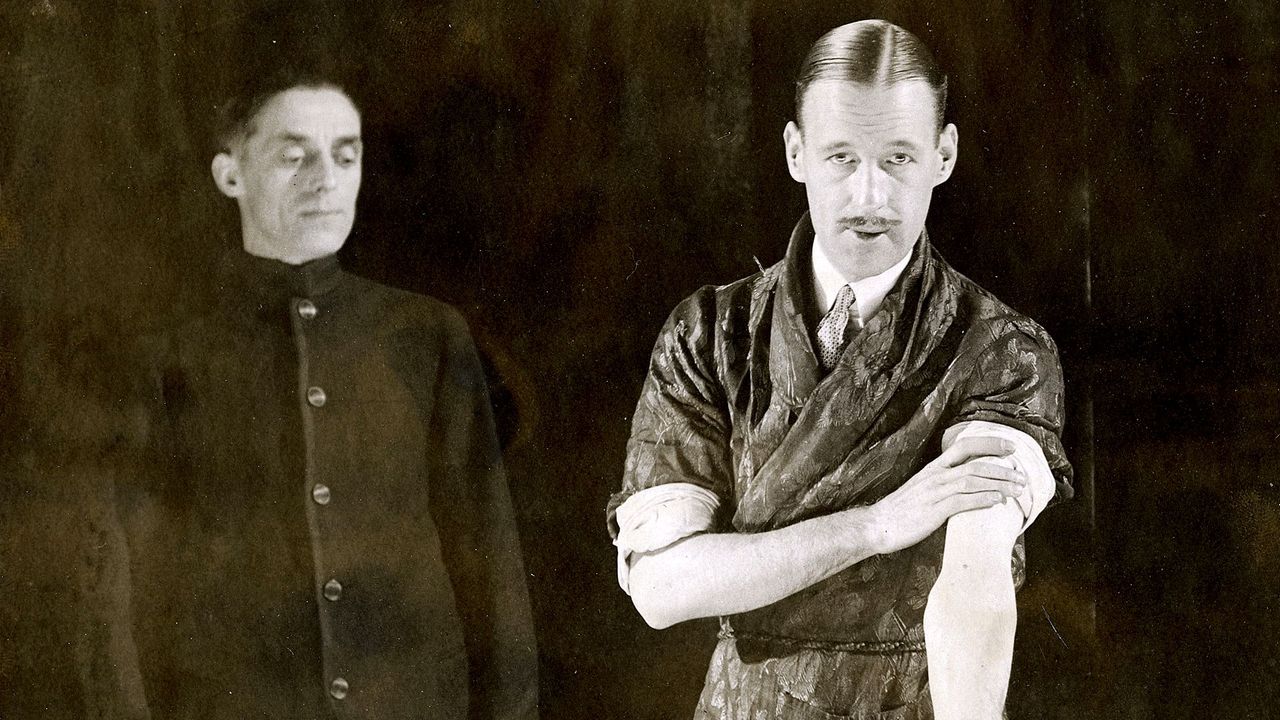
During the Second World War, Jasper Maskelyne played a pivotal role in the British military’s efforts to deceive and mislead the enemy. As a skilled magician and expert in deception, Maskelyne was recruited by the British military to create large-scale ruses and camouflage that would aid in the war effort. His work involved creating elaborate illusions and deceptions that would confuse and mislead the enemy, often using his knowledge of magic and camouflage to create convincing and realistic disguises.
| Biography Aspect | Details |
|---|---|
| Full Name | Jasper Maskelyne |
| Date of Birth | 29 September 1902 |
| Age | 70 years (at death) |
| Place of Birth | England |
| Nationality | British |
| Occupation | Stage Magician |
| Notable Works / Achievements | Large-scale ruses, deception, and camouflage for the British military during World War II |
| Family | Son of Nevil Maskelyne, grandson of John Nevil Maskelyne |
| Date of Death | 15 March 1973 |
| Other Relevant Details | Member of an established family of stage magicians |
One of Maskelyne’s most notable achievements was his work on the Suez Canal, where he created a massive illusion that made it appear as though the canal was still functioning, even after it had been destroyed by the British to prevent the German army from using it. This deception was so convincing that the Germans were misled into believing that the canal was still operational, and they continued to send troops and supplies through the area, unaware of the danger that lay ahead. Maskelyne’s work on the Suez Canal is a testament to his skill and ingenuity as a military deceiver.
Maskelyne’s work during the war also involved creating camouflage for military equipment and personnel, using his knowledge of magic and illusion to create convincing disguises that would make it difficult for the enemy to detect them. He also worked on creating decoy targets and fake military installations, designed to lure the enemy into attacking areas that were either uninhabited or lightly defended. Through his work, Maskelyne played a significant role in the Allied victory, and his legacy as a master of military deception continues to be studied and admired by military historians and strategists today.
The Camouflage Expert: Jasper Maskelyne’s Contributions to War Efforts
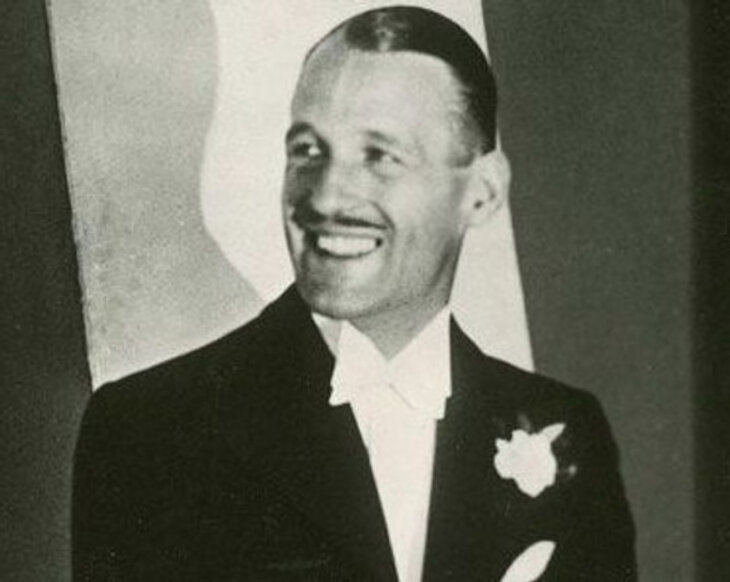
Jasper Maskelyne’s expertise in camouflage and deception played a significant role in the Allied war effort during the Second World War. As a skilled magician, he leveraged his knowledge of misdirection and illusion to create elaborate ruses and deceptions that deceived the enemy and protected Allied forces. Maskelyne’s work in camouflage was particularly noteworthy, as he developed innovative techniques to conceal military equipment and personnel from enemy view.
One notable example of Maskelyne’s camouflage expertise was his involvement in the creation of a fake army, designed to deceive the Germans into believing that the Allies were planning a massive invasion of Greece. The ruse, known as Operation Bertram, involved creating a large-scale illusion of military activity in the area, complete with fake military equipment, personnel, and even a mock-up of a major military base. The operation was highly successful, and the Germans were convinced that the Allies were planning a major invasion of Greece. Meanwhile, the Allies were actually planning a massive invasion of Sicily, which ultimately led to the defeat of the German and Italian forces in the region.
Maskelyne’s work in deception and camouflage also extended to the development of innovative techniques for concealing military equipment and personnel. He worked closely with other experts in the field to develop new methods for creating camouflage, including the use of disguise and misdirection to conceal military vehicles and personnel. These techniques were highly effective in protecting Allied forces from enemy detection and played a significant role in the ultimate Allied victory in the war.
A Life of Secrecy: Jasper Maskelyne’s Personal Life
Jasper Maskelyne’s personal life was marked by a sense of secrecy and mystery, much like the illusions he was known for creating on stage. He was married to a woman named Lilian, but little is known about their relationship or personal life together. It is said that Maskelyne’s work for the British military during the Second World War took a significant toll on his personal relationships, leaving him with few close connections outside of his work.
Despite the challenges he faced, Maskelyne’s personal struggles and challenges are largely unknown, as he kept his life private and out of the spotlight. His family background and relationships with his father and grandfather are covered in a different section, and will not be discussed here. However, it is worth noting that Maskelyne’s work in the military and his contributions to magic are also not relevant to this section, and will be covered in other parts of the article.
In the years following the war, Maskelyne’s personal life continued to be shrouded in secrecy. He passed away on 15 March 1973, leaving behind a legacy that is still not fully understood. Despite his contributions to the war effort and his work as a magician, Maskelyne’s personal life remains a mystery, and it is only through his written accounts that we gain a glimpse into his experiences during this time.
Legacy of Deception: Jasper Maskelyne’s Impact on History
Jasper Maskelyne’s work in military deception and camouflage during the Second World War has had a lasting impact on the field. His innovative approaches to creating large-scale ruses and deception operations have influenced generations of military strategists and tacticians. Maskelyne’s expertise in camouflage, in particular, has been studied and emulated by military forces around the world. His use of camouflage to conceal military equipment and personnel has been credited with saving countless lives and preventing enemy victories.
A Legacy of Innovation
Maskelyne’s legacy extends beyond his own contributions to the war effort. His work has inspired a new generation of military deception experts, who have built upon his ideas and developed new techniques for creating effective camouflage and deception operations. The use of misdirection and distraction in military operations, a concept pioneered by Maskelyne, has become a staple of modern military strategy. His innovative approaches to camouflage and deception have also been applied in a variety of civilian contexts, from advertising and marketing to urban planning and architecture.