









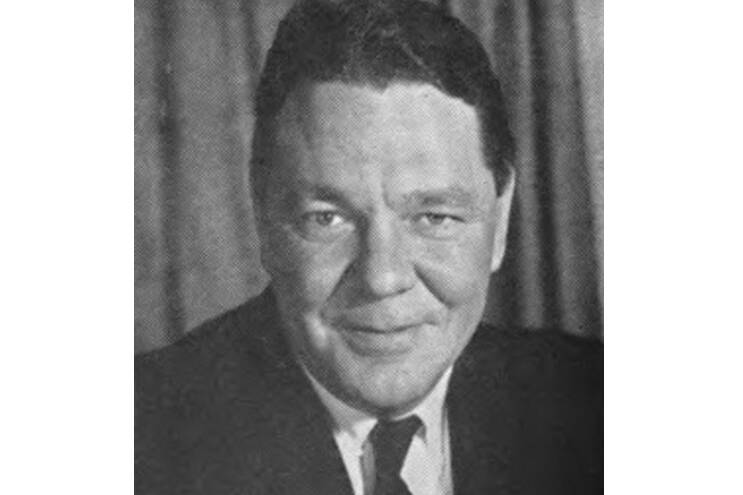
Thomas Hale Boggs Sr., a prominent figure in American politics, remains an enigmatic figure due to his mysterious disappearance. As a renowned Democratic Party politician, Boggs served as the House Majority Leader and was a key member of the Warren Commission, tasked with investigating the assassination of President John F. Kennedy. Born on February 15, 1914, Boggs’ illustrious career spanned over two decades, leaving an indelible mark on the nation’s politics. He was declared dead on December 29, 1972, after his disappearance on October 16, 1972, while on a fundraising trip in Alaska.
Early Life and Education
Boggs’ early interests lay in education and the law. He attended the University of Louisiana at Lafayette, where he earned a Bachelor of Arts degree in 1935. He later went on to study law at Louisiana State University, graduating with a Bachelor of Laws degree in 1937. Boggs’ academic achievements and strong work ethic laid the foundation for his future success.
Throughout his education, Boggs demonstrated a keen interest in public affairs and civic engagement. These early passions would eventually shape his future career and influence his approach to politics.
Rise to Power: Early Politics and Career Highlights

Thomas Hale Boggs Sr. began his journey into politics with a strong foundation in public service. Born on February 15, 1914, Boggs’ early life and education laid the groundwork for his future success. Graduating from Tulane University in 1935, Boggs went on to earn his law degree from Tulane University Law School in 1937. This academic achievement marked the beginning of a distinguished career that would span decades.
Boggs’ entry into politics was swift and decisive. Elected to the Louisiana House of Representatives in 1940, he quickly made a name for himself as a dedicated public servant. His commitment to the Democratic Party earned him a spot on the Democratic National Committee in 1960. This appointment marked a significant milestone in Boggs’ career, as it brought him to the national stage and set the stage for his future leadership roles.
As Boggs’ reputation grew, so did his influence within the Democratic Party. Elected to the U.S. House of Representatives in 1946, Boggs went on to serve his constituents for over two decades. His leadership skills and dedication to public service earned him the respect of his colleagues, paving the way for his eventual appointment as House Majority Leader. This position, which he held from 1971 until his disappearance in 1972, solidified Boggs’ position as a key figure in American politics.
House Majority Leader: Leadership and Legacy

As House Majority Leader, Thomas Hale Boggs Sr. played a pivotal role in shaping the legislative agenda of the U.S. House of Representatives. During his tenure, he was instrumental in passing several landmark pieces of legislation, including the Fair Housing Act of 1968, which prohibited discrimination in the sale, rental, and financing of housing based on race, religion, national origin, and sex. This landmark legislation was a significant step towards achieving equal housing opportunities for all Americans.
| Biography Aspect | Details |
|---|---|
| Full Name | Thomas Hale Boggs Sr. |
| Date of Birth | February 15, 1914 |
| Age | 58 years (at disappearance) |
| Place of Birth | Grand Cane, Louisiana |
| Nationality | American |
| Occupation | Politician, Member of U.S. House of Representatives |
| Notable Works / Achievements | Member of the Warren Commission, House majority leader |
| Education | Tulane University (attended) |
| Spouse / Partner | Corinne Clark |
| Children | Thomas Hale Boggs Jr. |
| Disappearance Date | October 16, 1972 |
Boggs’ leadership also extended to his role as a key figure in the Democratic Party. As a respected and influential leader, he worked closely with President Lyndon B. Johnson to advance the party’s agenda, including the passage of the Civil Rights Act of 1964 and the Great Society programs. His ability to build coalitions and negotiate with other lawmakers helped to ensure the passage of these critical pieces of legislation, cementing his reputation as a skilled and effective leader.
Under Boggs’ leadership, the Democratic Party experienced significant gains in the House, with the party maintaining control of the chamber throughout the 1960s. His impact on the party’s legislative agenda and his ability to build coalitions with other lawmakers made him a respected and influential figure in Washington, DC. As a result, Boggs’ legacy as a House Majority Leader continues to be remembered as a period of significant progress and achievement in American politics.
Warren Commission and Investigations
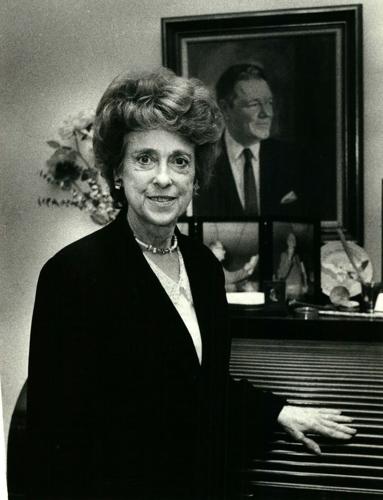
As a member of the Warren Commission, Hale Boggs played a crucial role in investigating the assassination of President John F. Kennedy. Established in November 1963, the commission was tasked with determining the facts surrounding the president’s death. Boggs, along with other esteemed members, worked tirelessly to gather evidence and interview key witnesses. The commission’s findings were released in September 1964, concluding that Lee Harvey Oswald acted alone in the assassination.
Boggs’ involvement with the Warren Commission was a significant aspect of his career, demonstrating his commitment to uncovering the truth and serving the nation. As a seasoned politician, he brought a wealth of experience and expertise to the commission, contributing to its efforts to shed light on one of the most pivotal events in American history. The commission’s report remains a landmark document in the field of presidential assassinations, and Boggs’ participation in it is a testament to his dedication to public service.
The Warren Commission’s investigation was a complex and multifaceted undertaking, involving extensive research, witness testimony, and analysis of physical evidence. Boggs and his fellow commissioners worked diligently to address the many questions and conspiracy theories surrounding the assassination, ultimately producing a comprehensive report that has stood the test of time. While the commission’s findings have been subject to ongoing debate and scrutiny, Boggs’ role in the investigation remains an important chapter in his distinguished career.
The Mysterious Disappearance in Alaska
On October 16, 1972, Thomas Hale Boggs Sr. vanished while on a fundraising drive in Alaska. Boggs was traveling in a twin-engine airplane along with Alaska congressman Nick Begich and two others when the aircraft disappeared en route from Anchorage to Juneau. The plane, a De Havilland Canada DHC-3 Otter, was carrying a group of prominent politicians and businessmen, including Boggs, who was the House majority leader at the time.
Search Efforts and Investigation
A massive search operation was launched to locate the missing plane, involving the U.S. Coast Guard, the U.S. Air Force, and the Alaska State Troopers. Despite extensive efforts, no signs of the plane or its occupants were found. The search continued for several days, with rescue teams scouring the rugged Alaskan terrain, but ultimately, the plane was never located. The disappearance of Boggs and the others on board sent shockwaves through the nation’s capital, leaving his family and colleagues in a state of uncertainty and grief.
Impact on Boggs’ Family and Colleagues
Boggs’ disappearance had a profound impact on his loved ones, particularly his wife, Lindy Boggs, who was deeply affected by the loss of her husband. The incident also sent shockwaves through the Democratic Party, with many of Boggs’ colleagues and friends expressing their condolences and concern for his family. The disappearance of the House majority leader was a significant loss for the party, and it would take time for the Democratic leadership to adjust to the void left by Boggs’ disappearance.
Personal Life and Marriage
Hale Boggs was a devoted family man, deeply committed to his loved ones. In 1937, he married Liz Chichester, a woman from a prominent New Orleans family. The couple had two children, Thomas Hale Boggs Jr. and Cokie Roberts, both of whom would go on to have distinguished careers in their own right. Cokie Roberts, in particular, would become a renowned journalist and author, known for her insightful reporting and commentary on politics and social issues.
A Close-Knit Family
The Boggs family was known for their close-knit relationships and strong sense of loyalty. Hale Boggs was particularly close to his children, often involving them in his philanthropic and community work. His family was also deeply supportive of his career, with his wife Liz serving as a trusted advisor and confidante. Despite the demands of his high-profile position as House Majority Leader, Boggs prioritized his family life, recognizing the importance of maintaining a healthy work-life balance.
A Private Man with Public Interests
While Boggs was a private man, he was also deeply committed to his community and public service. He was a long-time supporter of various charitable organizations, including the Boy Scouts of America and the United Way. His family’s philanthropic efforts were a testament to his values of compassion, generosity, and civic responsibility. Through his family’s charitable work, Boggs left a lasting legacy that extended far beyond his public service.