Early Life and Background
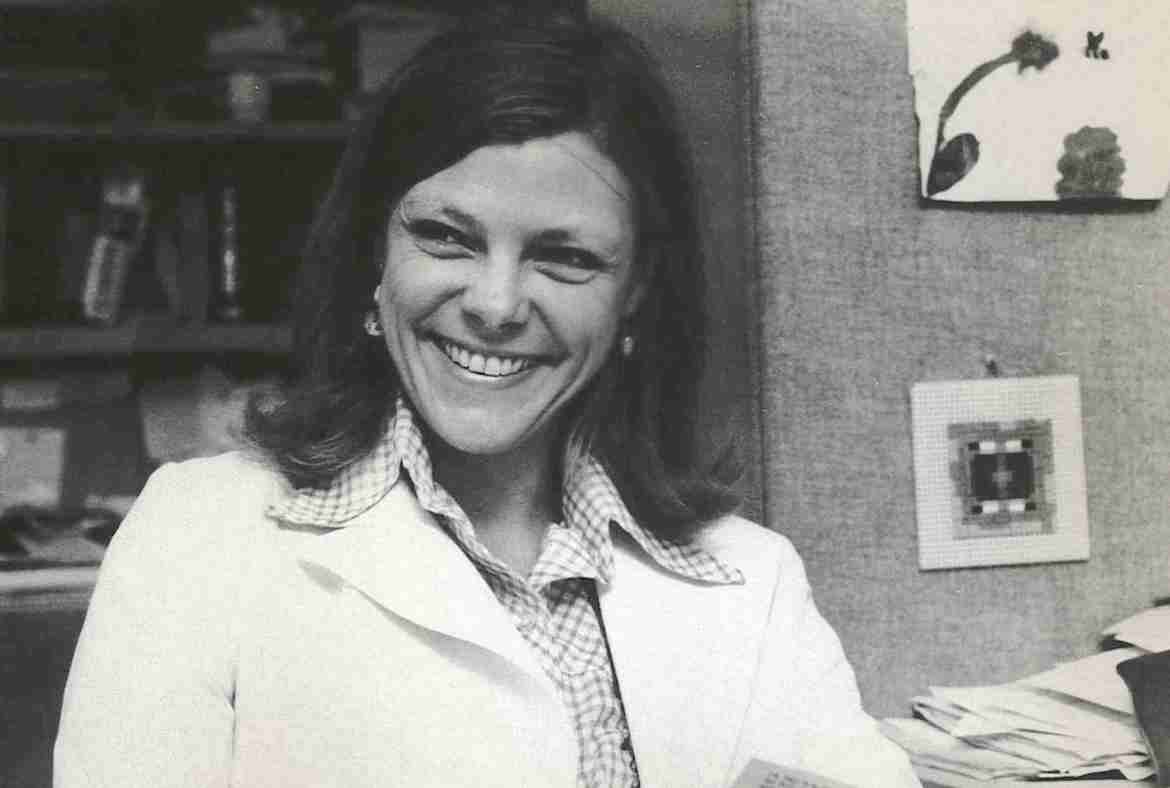
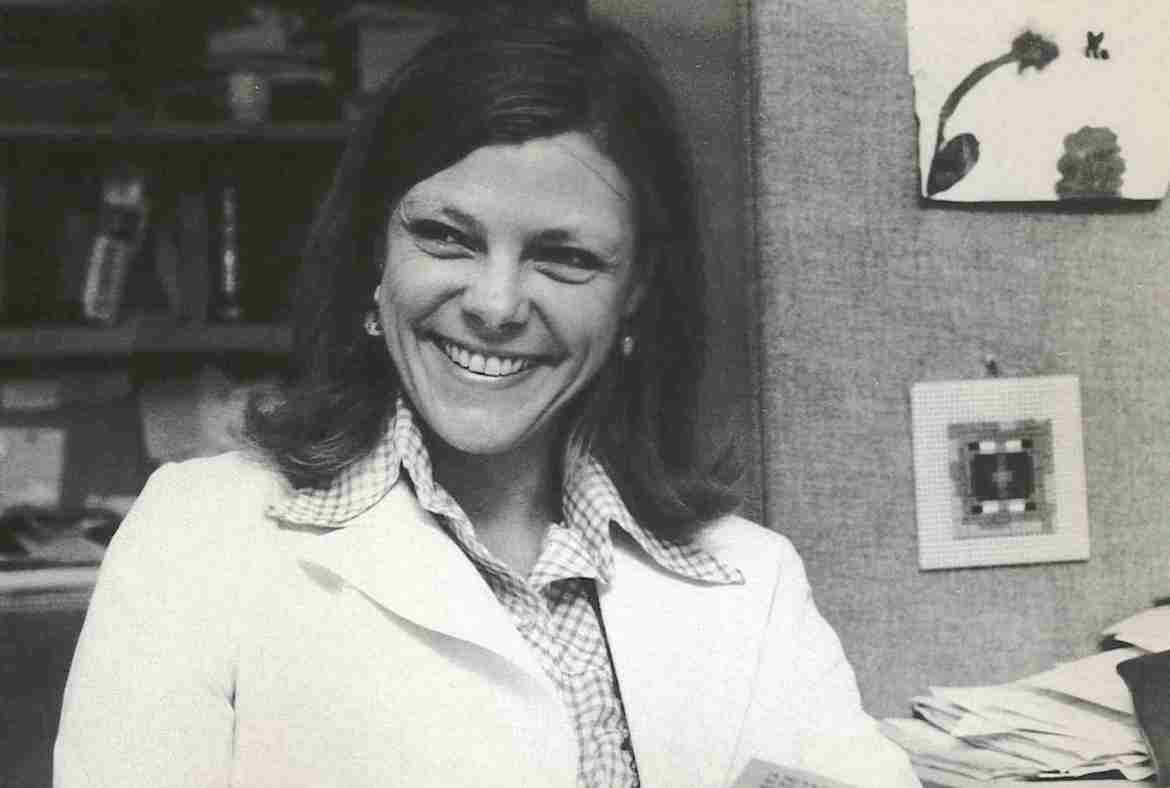
Mary Martha Corinne Morrison Claiborne “Cokie” Roberts was born on December 27 1943 in New Orleans, Louisiana. She grew up in a household that was steeped in politics; her father, Hale Boggs, served as House Democratic majority leader, and after his disappearance in 1972, her mother, Lindy Boggs, stepped into his role. The family’s political engagement shaped her early worldview and instilled a sense of public service that would later define her path.
Roberts’ childhood was marked by the unique dynamics of a politically active family. Her brother Tommy, who struggled to pronounce her given name, affectionately dubbed her “Cokie,” a nickname that would become her professional moniker. The siblings shared a close bond, and the household’s frequent discussions about policy and governance provided a stimulating environment that nurtured her curiosity about the world.
In pursuit of higher education, Roberts attended Wellesley College, where she earned a Bachelor of Arts in political science in 1964. The rigorous academic program and the vibrant intellectual community at Wellesley further honed her analytical skills and reinforced her commitment to understanding the complexities of governance. These formative years laid the groundwork for a lifelong engagement with public affairs.
Career Beginnings

After earning her Bachelor of Arts in political science from Wellesley College in 1964, Roberts entered the broadcast world with a role that would set the tone for her future career. She became the host of “Meeting of the Minds,” a discussion program on Washington, D.C.’s WRC‑TV, where she interviewed politicians, scholars, and public figures. The show gave her a platform to hone her interviewing technique and to navigate the fast‑paced environment of a capital‑city newsroom.
Her success on WRC‑TV opened the door to a national stage. Roberts joined CBS as a foreign correspondent, covering events from the Middle East to Southeast Asia. In this capacity she reported on diplomatic negotiations, social upheavals, and emerging political movements, gaining a reputation for clear, insightful storytelling. Her dispatches were noted for their balanced perspective and meticulous research, qualities that would become hallmarks of her later work.
Following her stint abroad, Roberts returned to Washington as a reporter for CBS News, covering domestic politics and policy developments. In this role she reported on congressional hearings, presidential campaigns, and federal policy debates, further establishing her credibility as a sharp, independent voice in political journalism. These early assignments laid the groundwork for a career that would span more than five decades.
Major Achievements and Success
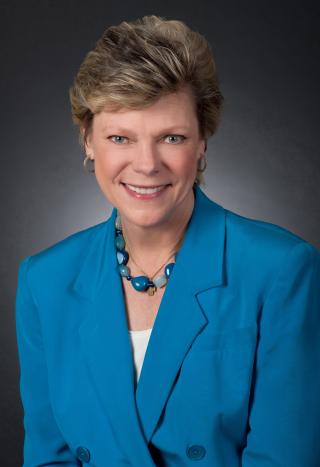
Cokie Roberts emerged as a trailblazing voice in American journalism, breaking gender barriers in a field dominated by men. Over a career that spanned more than five decades, she became a respected author and political commentator, shaping public discourse through her incisive analysis and engaging storytelling.
| Biography Aspect | Details |
|---|---|
| Full Name | Mary Martha Corinne Morrison Claiborne “Cokie” Roberts (née Boggs) |
| Date of Birth | December 27, 1943 |
| Place of Birth | New Orleans, Louisiana, USA |
| Nationality | American |
| Occupation | Journalist, author, political commentator |
| Education | Bachelor of Arts in political science, Wellesley College, 1964 |
| Notable Works | Career spanned more than five decades; host of *Meeting of the Minds* (WRC‑TV); foreign correspondent for CBS |
| Family | Father: Hale Boggs (House Democratic majority leader); Mother: Lindy Boggs (succeeded father after 1972 disappearance) |
| Nickname | “Cokie” (given by brother Tommy) |
Her academic foundation—a Bachelor of Arts in political science from Wellesley College in 1964—prepared her for a series of high‑profile roles. Roberts first captured national attention as the host of _Meeting of the Minds_ on Washington, D.C.’s WRC‑TV, where she facilitated discussions on pressing political issues. She later served as a foreign correspondent for CBS, reporting from international hotspots and bringing global perspectives to American audiences.
Throughout her tenure, Roberts earned widespread recognition for her balanced reporting and eloquent commentary. She authored several books that explored the intersection of politics and society, cementing her legacy as a thought leader. Her work earned her numerous accolades, including prestigious journalism awards that reflected her commitment to integrity, depth, and clarity in the pursuit of truth.
Her influence extended beyond print and broadcast; she mentored emerging journalists, advocated for ethical standards, and remained a fixture on panels discussing democratic governance. Roberts’ legacy endures in the countless reporters who cite her as a guiding example of principled journalism.
Business Ventures and Investments

Cokie Roberts devoted the bulk of her professional life to journalism, shaping public discourse through her incisive reporting and commentary. While she held influential positions—most notably as a senior correspondent for CBS and later as a long‑running host on *Meet the Press*—there is no documented evidence that she founded or led any private companies. Her career trajectory remained firmly within the realm of broadcast media, where she negotiated contracts and managed her own brand as a respected commentator, but these activities were part of her employment agreements rather than entrepreneurial ventures.
In the absence of formal business enterprises, Roberts’ impact on the media industry is best understood through her strategic choices within established organizations. She leveraged her platform to advocate for investigative journalism, thereby influencing the editorial direction of the outlets she worked for. Her decisions to transition between networks and to take on high‑profile roles were guided by a commitment to public service rather than profit generation. Consequently, while she did not accumulate wealth through ownership stakes or startup ventures, her legacy in the business of news remains significant, rooted in the professional standards and ethical practices she championed throughout her career.
Personal Life
Mary Martha Corinne Morrison Claiborne “Cokie” Roberts was born on December 27, 1943, in New Orleans, Louisiana, into a family that was deeply woven into the fabric of American politics. Her father, Hale Boggs, served as House Democratic majority leader, and after his disappearance in 1972, her mother, Lindy Boggs, stepped into his role, becoming a prominent figure in her own right. Growing up in this environment, the house was often a hub of political conversation, and the family’s public service ethos shaped Cokie’s early worldview.
Cokie’s nickname, which she is best known by, was affectionately given by her brother Tommy, who struggled to pronounce her given name, Corinne. The moniker stuck, and it became a familiar and endearing part of her identity both at home and later in public life. The close bond with her brother and the supportive, intellectually curious atmosphere of her household fostered a sense of curiosity and resilience that would guide her throughout her life.
In her personal sphere, Cokie was known for her devotion to family and her love of the cultural richness of New Orleans. The city’s vibrant music, cuisine, and community spirit were integral to her upbringing, providing a backdrop that balanced the intensity of her family’s political legacy with the warmth of close-knit relationships and a deep appreciation for the arts.
Net Worth and Financial Success
Legacy and Impact
Cokie Roberts’s influence on American journalism is evident in the way she helped shape the public’s understanding of politics for more than five decades. As a pioneering female voice in a field long dominated by men, she set a standard for clear, insightful analysis that bridged the gap between complex policy and everyday listeners. Her presence on television and radio brought a measured, respectful tone to political debate, encouraging a more informed and engaged electorate.
Her contributions extended beyond her own broadcasts. Roberts mentored countless young reporters, emphasizing integrity, thorough research, and the importance of asking hard questions without fear of retribution. She championed the role of women in media, often speaking about the need for diverse perspectives in newsrooms. Through her books and essays, she documented the inner workings of Washington, providing a candid, behind‑the‑scenes view that has become a reference for scholars and journalists alike.
The lasting impact of Roberts’s career is reflected in the continued prominence of women in political journalism and the enduring respect for balanced, fact‑based commentary. Her legacy lives on in the programs she helped shape and the journalists she inspired, ensuring that future generations will value clarity, courage, and civility in the coverage of public affairs. As media continues to evolve, Roberts’s example remains a touchstone for those who seek to inform without sensationalism and to uphold the democratic principle that an informed citizenry is essential to a healthy republic.