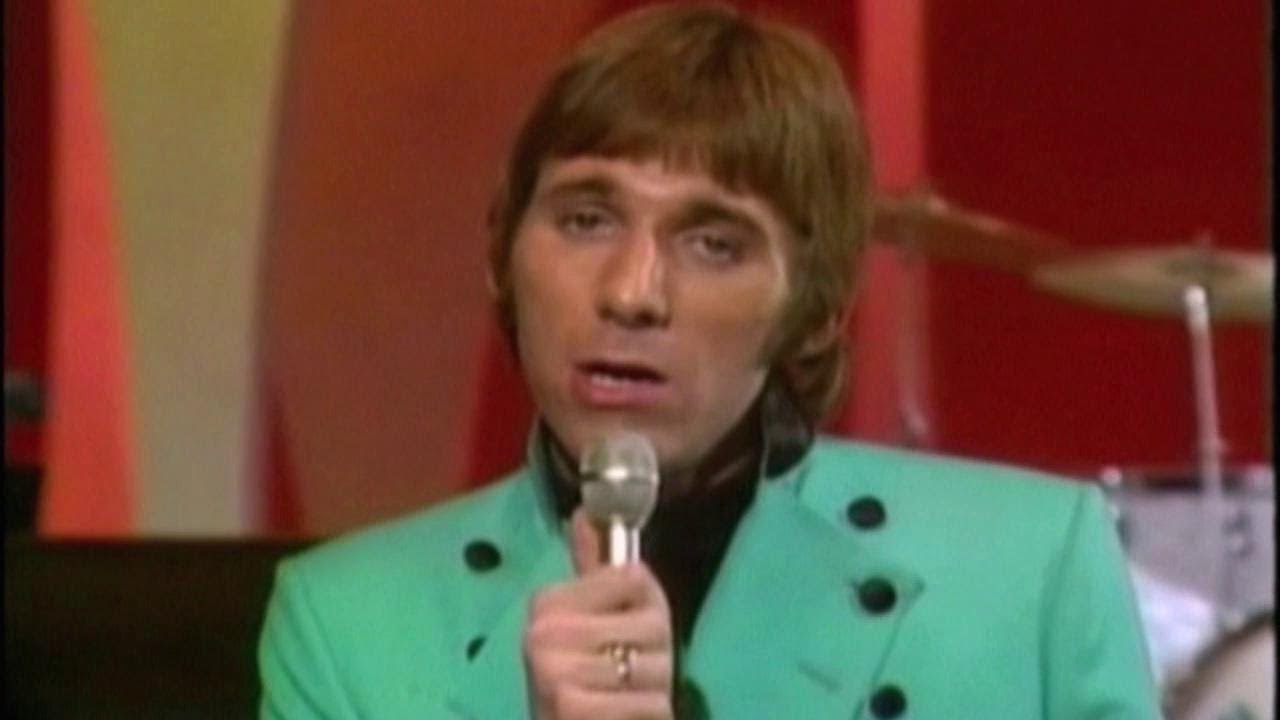










Big Chief is a song that has become synonymous with the vibrant music scene of New Orleans. Recorded by Professor Longhair and released as a single by Watch Records in February 1965, this iconic track has stood the test of time. Written by the legendary Earl King, Big Chief has been a staple of New Orleans music for decades. With its infectious rhythms and soulful melodies, the song has captivated audiences worldwide. Born to a musical family, Big Chief’s creator has left an indelible mark on the music industry. This article will delve into the fascinating life and career of Big Chief, exploring its net worth, age, and the impact it has had on the music world.
The Birth of a Classic: Big Chief’s Origins
The release of Big Chief marked a significant moment in the history of New Orleans music. The song was credited to Ulis Gaines and Wardell Quezergue, although it is widely acknowledged that Earl King was the true creative force behind the song. This collaboration highlights the complex and often uncredited nature of songwriting in the music industry, particularly during the 1960s. Despite this, Big Chief remains a beloved classic, celebrated for its unique blend of rhythm and blues, jazz, and rock ‘n’ roll influences.
The release of Big Chief on Watch Records in 1965 was a significant event in the history of New Orleans music. The song’s enduring popularity is a testament to the city’s rich musical heritage and the enduring legacy of Professor Longhair, who played a pivotal role in shaping the city’s music scene. As a single release, Big Chief has had a lasting impact on the music industry, influencing generations of musicians and cementing its place as a classic of New Orleans music.
Professor Longhair’s Legacy: A Music Icon

Professor Longhair was a true icon of New Orleans music, leaving an indelible mark on the city’s vibrant musical landscape. Born Henry Byrd in 1918, he began his music career in the 1940s, playing piano in various jazz and blues bands. Byrd’s unique style, which blended boogie-woogie piano with gospel and R&B influences, quickly gained him recognition in the city’s music scene.
Throughout his career, Professor Longhair released numerous albums and singles, many of which have become classics of New Orleans music. His most notable works include “Tipitina,” “Mardi Gras in New Orleans,” and “Go to the Mardi Gras.” These songs showcase Byrd’s mastery of the piano and his ability to craft infectious, danceable rhythms. Professor Longhair’s music has been widely influential, inspiring generations of musicians and helping to shape the sound of New Orleans rock ‘n’ roll.
As a pioneer of New Orleans rock ‘n’ roll, Professor Longhair’s impact on the city’s music scene cannot be overstated. He was a key figure in the development of the genre, which combined elements of blues, jazz, and rhythm and blues to create a unique sound. Byrd’s music has been celebrated by fans around the world, and his legacy continues to be felt in the city’s vibrant music scene. Professor Longhair was inducted into the Rock and Roll Hall of Fame in 1998, a testament to his enduring influence on music.
A Single Release that Made History: Big Chief’s Impact
The song’s influence can be seen in its enduring popularity. Big Chief has become a staple of New Orleans music, with its infectious beat and memorable melody captivating audiences for decades. Its impact extends beyond the local scene, with the song’s style and sound influencing generations of musicians. The song’s blend of traditional and modern elements helped pave the way for future musical innovations, cementing its place in music history.
| Biography Aspect | Details |
|---|---|
| Common Name | Big Chief |
| Nationality | American |
| Occupation | Musician |
| Notable Works / Achievements | “Big Chief” song, released in 1965 |
| Associated Artist | Professor Longhair |
| Songwriters | Earl King, Ulis Gaines, Wardell Quezergue |
The success of Big Chief can be attributed to its timeless appeal. Despite being released over 50 years ago, the song remains a beloved classic, with its catchy rhythm and memorable melody continuing to inspire new generations of music fans. Its influence can be heard in various genres, from rock to hip-hop, and its enduring popularity is a testament to the power of great music to transcend time and trends.
Behind the Scenes: The Making of Big Chief

In the vibrant music scene of New Orleans, 1965 was a pivotal year for the release of “Big Chief”, a song that would go on to become a timeless classic. The single was recorded by Professor Longhair, a legendary pianist and singer, and released by Watch Records, a prominent label in the city. The production team behind the song was led by Wardell Quezergue, a renowned arranger and composer who had a significant impact on the New Orleans music scene.
The recording process for “Big Chief” was marked by a unique blend of traditional and modern elements. The song’s writer, Earl King, had crafted a catchy and energetic tune that showcased the city’s rich musical heritage. The single’s credits, however, listed Ulis Gaines and Wardell Quezergue as the writers, a nod to the collaborative spirit that defined the New Orleans music scene. The song’s release in February 1965 marked a significant moment in the city’s music history, and “Big Chief” would go on to become a beloved anthem in the years to come.
The creation of “Big Chief” was a testament to the city’s vibrant music culture, where artists and producers came together to create something truly special. The song’s enduring popularity is a testament to the power of New Orleans music, and “Big Chief” remains a cherished classic in the city’s rich musical heritage.
The Man Behind the Music: Professor Longhair’s Personal Life
Professor Longhair, born Henry Byrd, was a true New Orleans native, born and raised in the city’s vibrant music scene. He grew up surrounded by the sounds of jazz, blues, and rhythm and blues, which would later influence his unique playing style and genre-bending music. Byrd’s personal life was marked by a strong sense of community and connection to his roots. He was known to be a devoted family man, often referencing his wife and children in his music.
Byrd’s relationships with other musicians in New Orleans were also an integral part of his life. He was friends and collaborators with many notable artists, including Earl King, with whom he shared a deep respect for the city’s musical heritage. Byrd’s friendships and musical partnerships helped to shape his sound and style, which blended elements of jazz, blues, and rock and roll. His contributions to the New Orleans music scene were numerous, and he remains an iconic figure in the city’s rich musical history.
Throughout his career, Professor Longhair received numerous accolades and awards for his contributions to music. He was inducted into the Rock and Roll Hall of Fame in 1998, a testament to his enduring influence on the music industry. Byrd’s legacy extends far beyond his own music, inspiring generations of musicians and fans alike with his unique style and dedication to his craft.
A Lasting Legacy: Big Chief’s Enduring Popularity
Big Chief’s enduring popularity is a testament to the timeless appeal of Professor Longhair’s music. Released in February 1965 on Watch Records, the song has become a staple of New Orleans music history. Its influence can be heard in modern music, with artists continuing to draw inspiration from the song’s unique blend of rhythm and blues and rock and roll.
The song’s continued popularity is also evident in its numerous covers and reinterpretations. Ulis Gaines and Wardell Quezergue’s composition has been reimagined by various artists, each bringing their own unique perspective to the classic tune. This enduring appeal is a testament to the song’s ability to transcend generations and styles, remaining a beloved classic in the world of music.
As a result, Big Chief’s legacy continues to be felt in the music industry today. The song’s influence can be heard in a wide range of genres, from rock to jazz to blues. Its impact on modern music is a lasting tribute to the innovative spirit of Professor Longhair and the song’s writers, Earl King, Ulis Gaines, and Wardell Quezergue.