







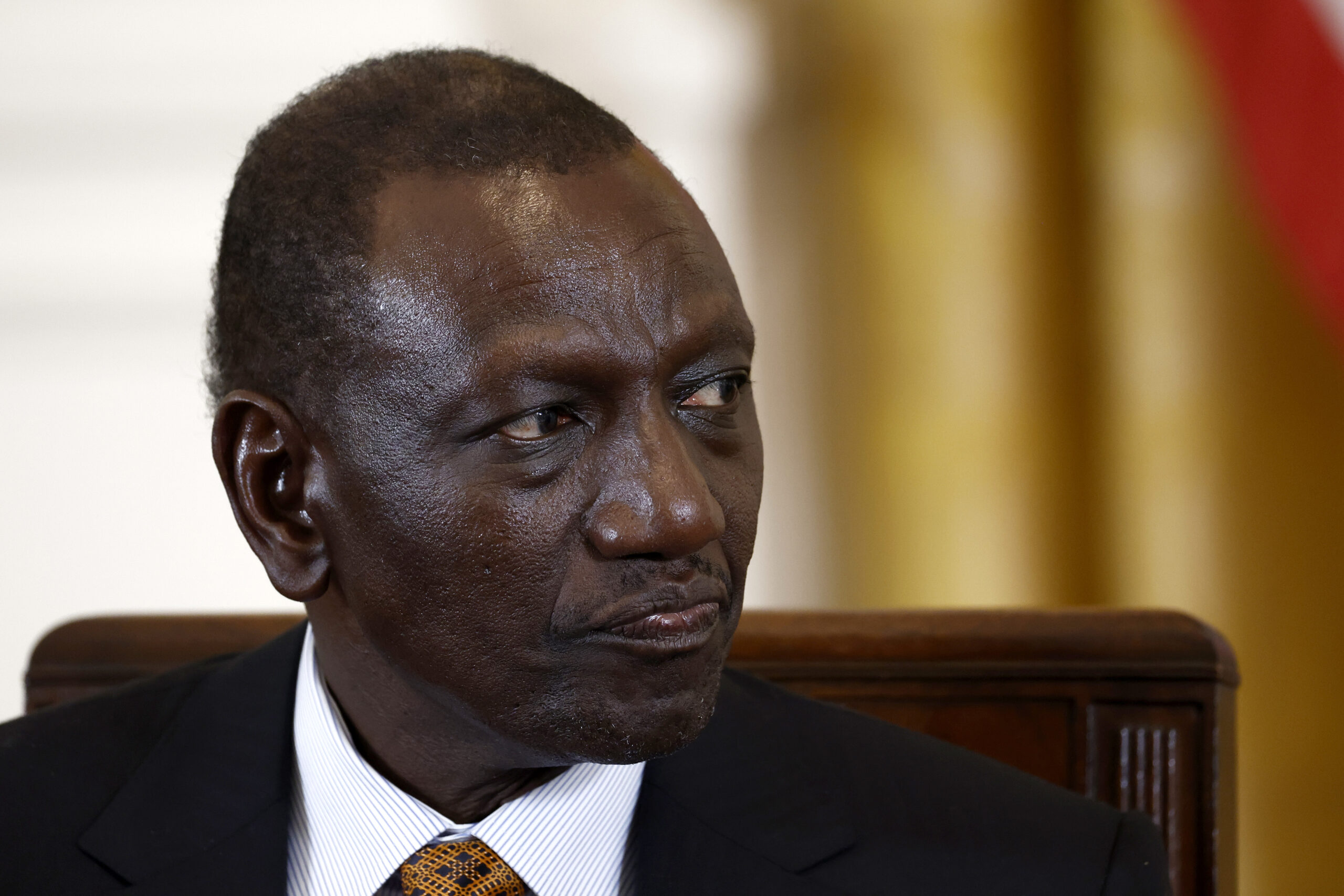
William Ruto is Kenya’s fifth and current president, born on December 21, 1966. With an estimated net worth of $1 billion, Ruto has established himself as a prominent figure in Kenyan politics. As the first elected deputy president of Kenya from 2013 to 2022, he played a crucial role in shaping the country’s leadership. Prior to his presidency, Ruto served in various cabinet portfolios, including Minister for Home Affairs, Agriculture, and Higher Education. His rise to power is a testament to his dedication and perseverance in the ever-changing landscape of Kenyan politics and African leadership.
From Eldoret to State House: William Ruto’s Early Life and Education
William Ruto was born on 21 December 1966 in Kenya. His early life was marked by a strong sense of community and a desire to make a difference in his country. Ruto’s educational background laid the foundation for his future success in politics. He pursued his primary education in the rural areas of Kenya before moving to the Rift Valley province, where he attended secondary school.
Ruto’s passion for learning and his commitment to his community led him to further his education. He went on to study at the University of Nairobi, where he earned a degree that would serve as a springboard for his future career in politics. His academic achievements and strong work ethic earned him recognition and respect from his peers and community leaders.
Ruto’s early life and education played a significant role in shaping his future as a leader. His experiences in the rural areas of Kenya and his time at the University of Nairobi instilled in him a deep understanding of the challenges faced by his country and its people. This foundation would serve him well as he rose through the ranks of Kenyan politics, ultimately leading him to the position of Deputy President and, later, President of Kenya.
The Making of a Leader: William Ruto’s Rise in Kenyan Politics
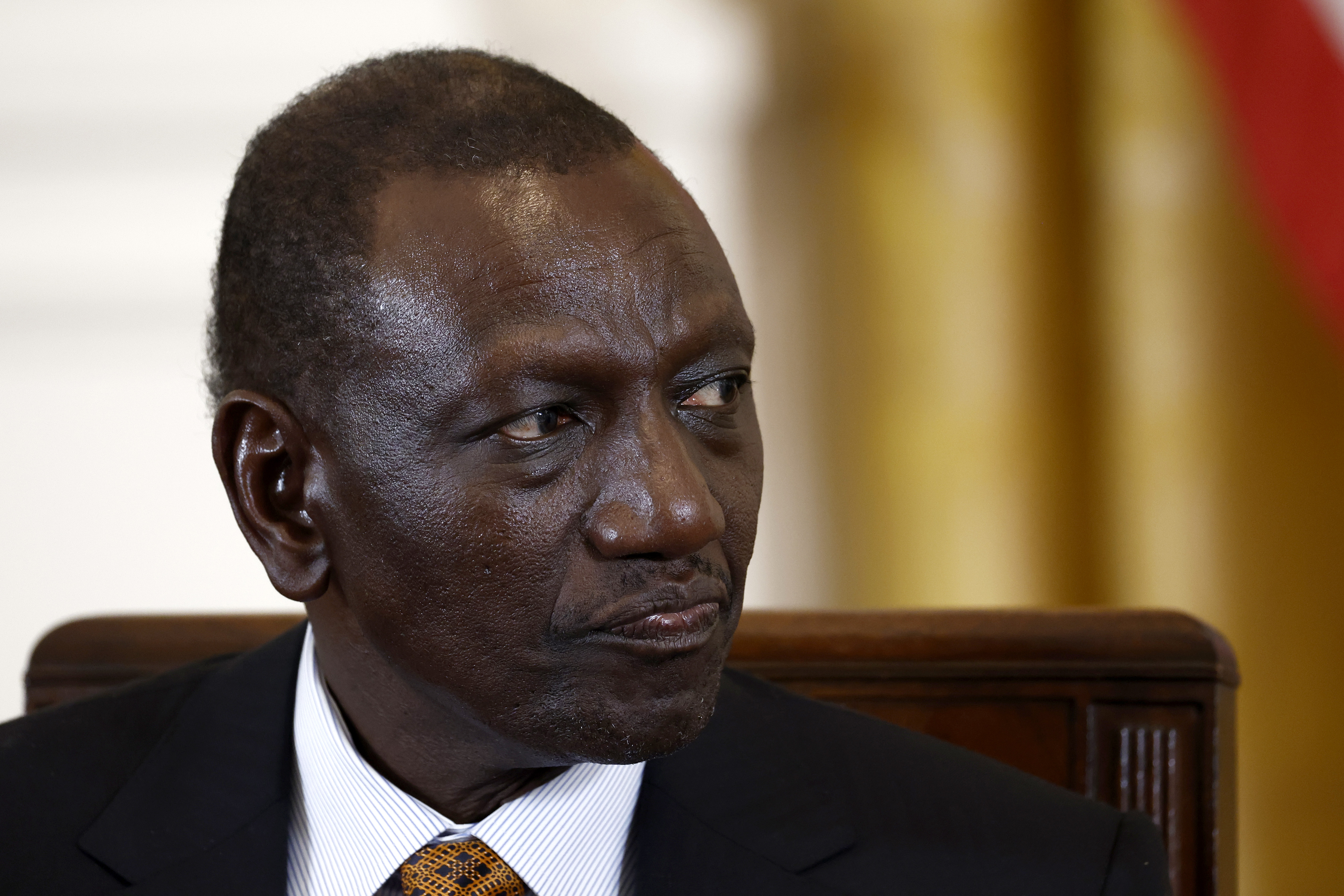
The Making of a Leader: William Ruto’s Rise in Kenyan Politics
William Ruto’s journey to becoming the President of Kenya was marked by his gradual rise through the ranks of Kenyan politics. Born on December 21, 1966, Ruto began his political career in 1997 when he was elected as the Member of Parliament for Eldoret North constituency under the KANU party. He would go on to serve in this position until 2007, before switching to the ODM party and continuing his tenure as MP until 2013.
Ruto’s experience in government began in 2002 when he served as the Minister for Home Affairs in the Daniel arap Moi administration. He later held the positions of Minister for Agriculture from 2008 to 2010 and Minister for Higher Education from April 2010. These roles not only honed his leadership skills but also gave him a deeper understanding of the country’s needs and challenges. His eventual election as the first elected Deputy President of Kenya in 2013 marked a significant milestone in his career, setting the stage for his eventual ascension to the presidency.
Shaping Kenya’s Future: William Ruto’s Major Policies and Initiatives

| Full Name | William Kipchirchir Samoei Arap Ruto |
| Date of Birth | 21 December 1966 |
| Age | 57 years |
| Nationality | Kenyan |
| Occupation | Politician |
| Notable Works / Achievements | Fifth and current president of Kenya, first elected deputy president of Kenya |
| President of Kenya | Since 13 September 2022 |
As the fifth President of Kenya, William Ruto has been instrumental in shaping the country’s future through various initiatives and policies. One of his notable policies is the Big Four Agenda, which aims to achieve four key areas: manufacturing, affordable housing, universal healthcare, and food security. This ambitious agenda has been a cornerstone of his administration, with a focus on creating jobs, improving living standards, and promoting economic growth.
In addition to the Big Four Agenda, President Ruto has also emphasized the importance of African Leadership and regional cooperation. He has been a strong advocate for the African Continental Free Trade Area (AfCFTA), which seeks to create a single market for goods and services across the continent. This initiative has the potential to boost trade, investment, and economic integration among African countries.
As a seasoned politician, President Ruto has also been committed to good governance and transparency. He has introduced various reforms aimed at strengthening institutions, promoting accountability, and reducing corruption. These efforts have helped to improve the business environment and attract foreign investment to Kenya, solidifying its position as a key player in the region.
Challenges and Controversies: William Ruto’s Leadership Under Scrutiny
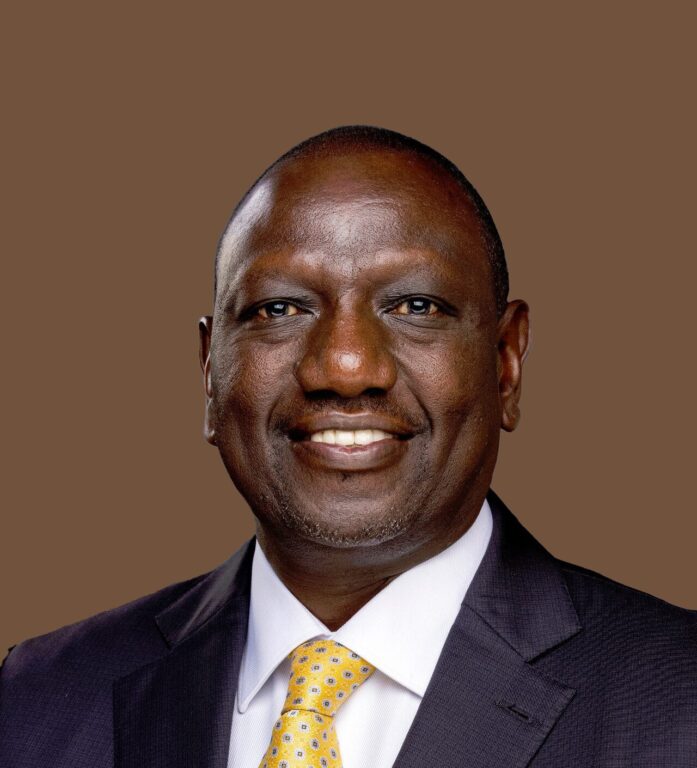
As the fifth President of Kenya, William Ruto has faced numerous challenges and controversies that have put his leadership under scrutiny. One of the most significant controversies surrounding Ruto’s presidency is his role in the 2007-2008 post-election violence, which resulted in the deaths of over 1,000 people and the displacement of hundreds of thousands more. Ruto has been accused of inciting violence and orchestrating the killings, allegations that he has consistently denied.
Despite his denials, Ruto’s involvement in the post-election violence has had lasting consequences for his presidency. Many Kenyans still harbor deep-seated resentment towards him, and his leadership has been criticized for being divisive and exclusionary. Additionally, Ruto’s presidency has been marked by allegations of corruption and cronyism, with many of his closest allies and family members accused of embezzlement and other forms of financial impropriety. The International Criminal Court (ICC) had initially charged Ruto with crimes against humanity, but the case was eventually dropped due to lack of evidence.
Ruto’s presidency has also been criticized for its handling of human rights issues, particularly with regards to the LGBTQ+ community. In 2022, Ruto’s government was accused of launching a crackdown on LGBTQ+ individuals, with many facing arrest, detention, and other forms of persecution. Ruto has consistently denied any wrongdoing, but his administration’s actions have been widely condemned by human rights groups and international organizations.
The Man Behind the Presidency: William Ruto’s Personal Life and Legacy
William Ruto’s personal life is deeply intertwined with his legacy as a leader in Kenyan politics. Born on 21 December 1966, Ruto’s early life and education laid the foundation for his future in politics. As a devoted family man, Ruto values his relationships with his loved ones, often citing his family as a source of strength and inspiration. His commitment to his family is a testament to his dedication to the values that have guided his life’s work.
As a leader, Ruto’s legacy is marked by his ability to inspire and motivate others. His rise to prominence in Kenyan politics was not without its challenges, but Ruto persevered, driven by his vision for a better Kenya. Throughout his career, Ruto has demonstrated a commitment to public service, working tirelessly to address the needs of his constituents. His leadership style is characterized by a strong sense of integrity and a willingness to listen to diverse perspectives.
As the fifth President of Kenya, Ruto’s legacy is still unfolding. His presidency has been marked by significant milestones, including his inauguration on 13 September 2022. As he continues to shape the future of Kenya, Ruto remains committed to the values that have guided him throughout his career. His personal life and legacy are inextricably linked, reflecting a deep sense of purpose and dedication to the people of Kenya.
The Road Ahead: William Ruto’s Current Position and Future Plans
As the fifth and current president of Kenya, William Ruto has been at the helm of the country’s leadership since September 13, 2022. His ascension to the presidency marked a significant milestone in Kenyan politics, and many are eager to see the direction he will take the nation. With a wealth of experience in governance, having served as the first elected deputy president of Kenya from 2013 to 2022, Ruto brings a unique perspective to the role.
As president, Ruto has set his sights on shaping Kenya’s future and cementing its position as a leader in African politics. His leadership style is characterized by a strong emphasis on economic development, and he has already begun implementing policies aimed at driving growth and prosperity. With his sights set on the long-term, Ruto is committed to leaving a lasting legacy that will benefit generations to come. As he navigates the complexities of Kenyan politics, Ruto remains focused on his vision for a brighter future for all Kenyans.
With a strong track record of public service, Ruto is well-positioned to tackle the challenges facing Kenya and to capitalize on the opportunities that lie ahead. As he looks to the future, Ruto is likely to continue to prioritize economic development, infrastructure investment, and social welfare programs. His leadership will be closely watched by regional and international observers, who will be eager to see how he navigates the complexities of African politics and how he positions Kenya as a leader on the continent.