




Stephen Hawking, the renowned English theoretical astrophysicist, cosmologist, and author, left an indelible mark on the world of physics. Born on 8 January 1942, Hawking defied the odds of a debilitating motor neuron disease to become one of the most celebrated minds of our time. With a net worth estimated to be around $20 million at the time of his passing, Hawking’s career was marked by numerous accolades, including serving as the Lucasian Professor of Mathematics at Cambridge University, a post he held from 1979 to 2009. His groundbreaking work in cosmology and theoretical physics continues to inspire new generations of scientists and thinkers.
Early Life and Education
Stephen Hawking was born in Oxford, England, on 8 January 1942, to a family of physicians. His parents, Frank and Isobel Hawking, were both accomplished in their fields, with Frank being a medical researcher and Isobel a medical secretary. This background instilled in Hawking a strong foundation in science and medicine, which would later shape his academic pursuits.
At the age of 17, Hawking began his university education at University College, Oxford, where he excelled in his studies, earning a first-class BA degree in physics in 1962. His academic achievements at Oxford laid the groundwork for his future success. Hawking’s next step was to pursue graduate work at Trinity Hall, Cambridge, where he would go on to earn his PhD in applied mathematics and theoretical physics.
Academic Career and Research
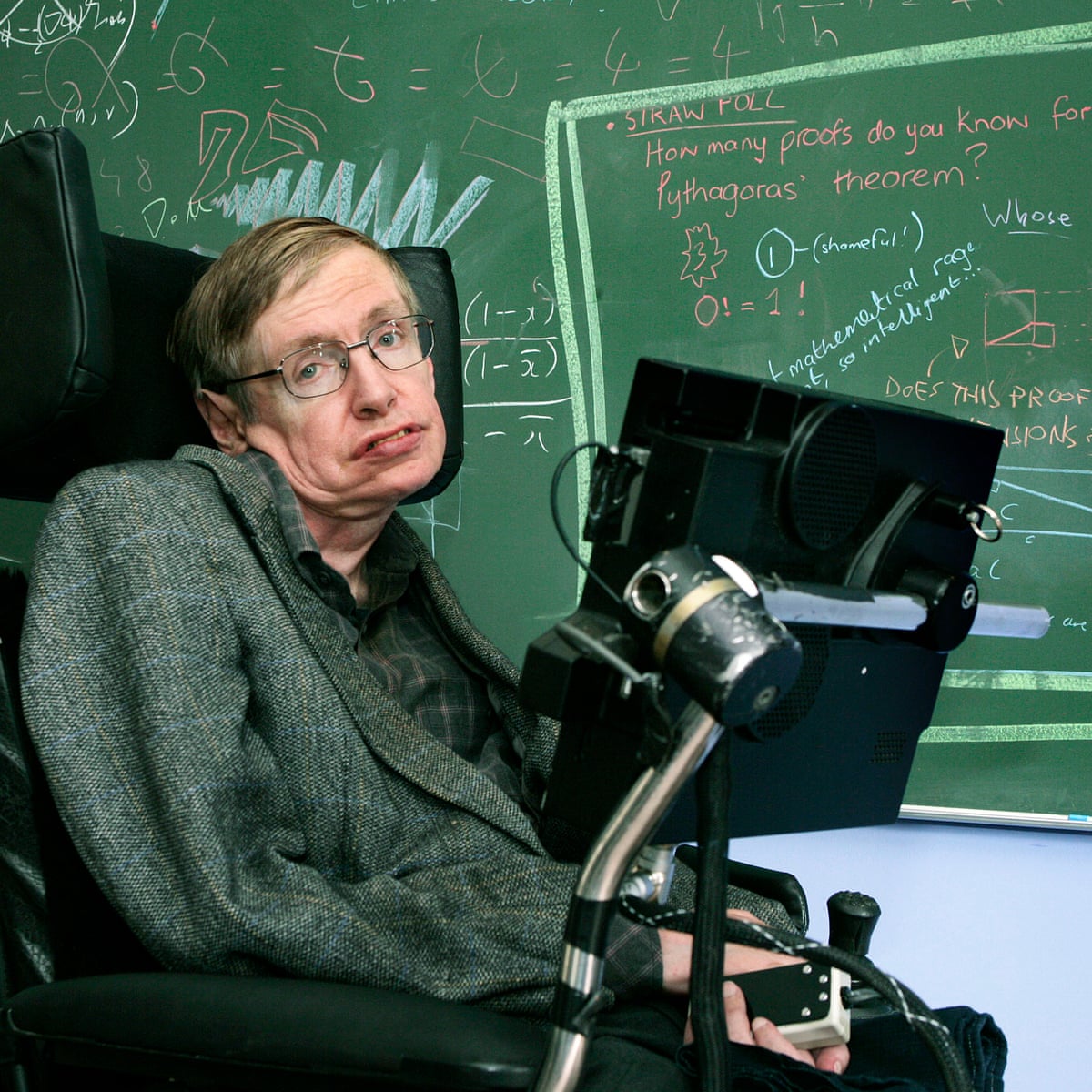
Stephen Hawking’s academic career was marked by numerous achievements, as he made significant contributions to the field of theoretical physics. As the director of research at the Centre for Theoretical Cosmology at the University of Cambridge, Hawking led a team of researchers exploring the origins and evolution of the universe. His work at the Centre focused on understanding the fundamental laws of physics, particularly in the context of general relativity and cosmology.
Hawking’s appointment as the Lucasian Professor of Mathematics at Cambridge in 1979 was a significant milestone in his career. This prestigious post, previously held by Sir Isaac Newton, is widely regarded as one of the most esteemed academic positions in the world. During his tenure, Hawking continued to advance our understanding of the universe, publishing influential papers on topics such as black holes and the no-boundary proposal. His research in these areas not only expanded our knowledge of the cosmos but also had a profound impact on the development of theoretical physics.
As a leading figure in the field of cosmology, Hawking’s work has had a lasting impact on our understanding of the universe. His research in general relativity and cosmology has helped to shape our understanding of the cosmos, from the Big Bang to the formation of black holes. Through his work at the Centre for Theoretical Cosmology and his tenure as Lucasian Professor, Hawking has left an indelible mark on the scientific community, inspiring future generations of researchers and scientists.
Groundbreaking Theories and Contributions
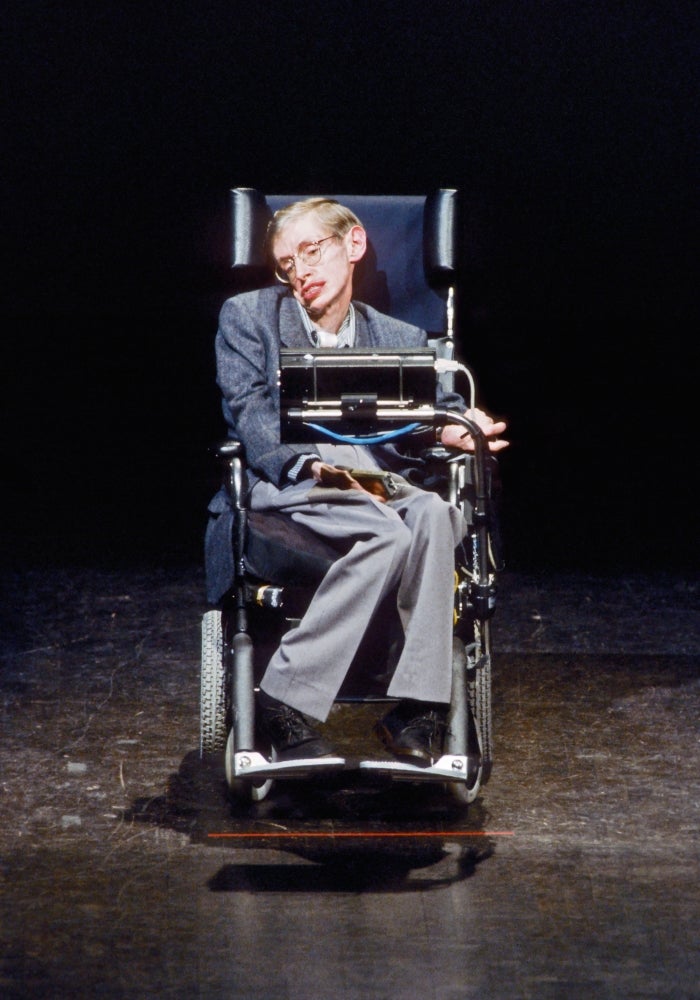
Stephen Hawking’s groundbreaking work in theoretical physics revolutionized our understanding of the universe. As a leading cosmologist and astrophysicist, he made significant contributions to the field of general relativity and cosmology. One of his most notable achievements was his work on black holes, which challenged the long-held assumption that these mysterious objects were eternal and unchanging. Hawking proposed that black holes emit radiation, now known as Hawking radiation, due to quantum effects near the event horizon. This theory fundamentally changed our understanding of the behavior of black holes and their role in the universe.
| Biography Aspect | Details |
|---|---|
| Full Name | Stephen William Hawking |
| Date of Birth | 8 January 1942 |
| Age | 76 years (at the time of death) |
| Place of Birth | Oxford, England |
| Nationality | English |
| Occupation | Theoretical Astrophysicist, Cosmologist, Author |
| Education | University College, Oxford; Trinity Hall, Cambridge |
| Notable Works / Achievements | A Brief History of Time, Lucasian Professor of Mathematics |
| Spouse / Partner | Jane Wilde Hawking (married 1965-1995), Elaine Mason (married 1995-2006) |
| Children | Robert Hawking, Lucy Hawking, Timothy Hawking, Edward Hawking |
| Date of Death | 14 March 2018 |
The No-Boundary Proposal and “A Brief History of Time”
In the 1980s, Hawking proposed the no-boundary proposal, a concept that attempts to explain the origins of the universe without the need for a singularity. This proposal posits that the universe had no boundaries in the beginning and that the laws of physics can be applied universally. Hawking’s work on the no-boundary proposal was a major contribution to the field of cosmology and continues to influence research in this area. His book, A Brief History of Time, published in 1988, is a seminal work that explains complex scientific concepts in an accessible and engaging manner. This book has become a classic in the field of science and has been widely read by both experts and non-experts alike.
Disability and Resilience
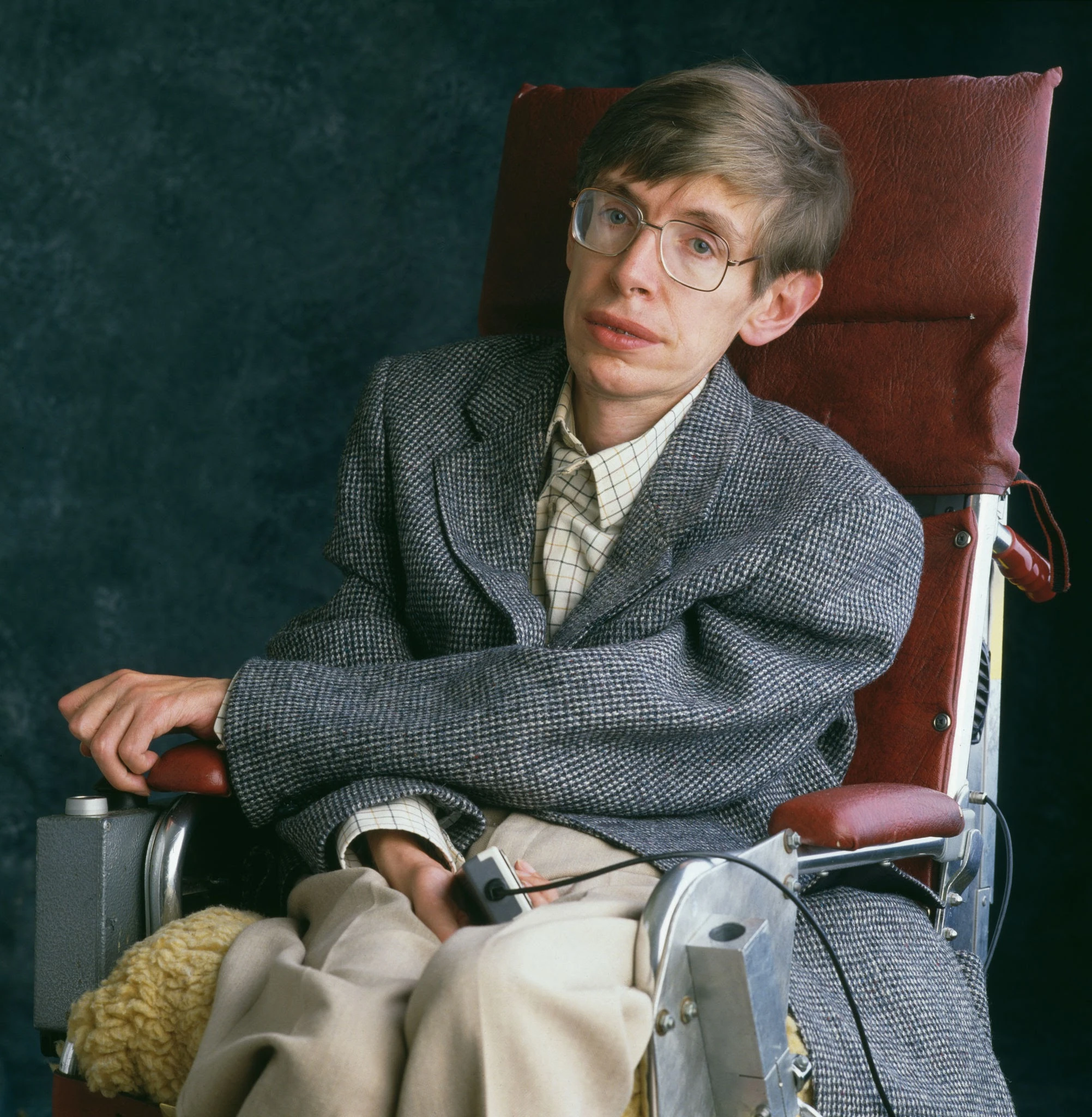
In 1963, at the age of 21, Stephen Hawking was diagnosed with a motor neuron disease, specifically amyotrophic lateral sclerosis (ALS), also known as Lou Gehrig’s disease. This diagnosis was a turning point in his life, as it forced him to adapt to a new reality. Despite the prognosis that he would not live more than two years, Hawking defied the odds and continued to work on his research.
Hawking’s determination and resilience were evident in his use of speech-generating devices, which allowed him to communicate with others despite his physical limitations. He used a speech-generating device, known as a speech synthesizer, to convey his thoughts and ideas. This technology enabled him to continue his work as a theoretical physicist and cosmologist, and he even used it to write several bestselling books, including “A Brief History of Time.” Hawking’s use of speech-generating devices was a testament to his adaptability and determination to continue pursuing his passion for science.
Advocacy for Disability Awareness
Hawking’s experiences with motor neuron disease made him a vocal advocate for disability awareness. He used his platform to raise awareness about the condition and to promote understanding and acceptance of people with disabilities. Hawking’s advocacy work extended beyond his own experiences, as he also supported organizations that worked to improve the lives of people with disabilities. His legacy continues to inspire people around the world, and his advocacy work remains an important part of his enduring impact.
Personal Life and Relationships
Stephen Hawking’s personal life was marked by significant relationships that played a crucial role in his life. In 1965, he married Jane Wilde, a language student at the University of Cambridge. The couple had three children: Robert, Lucy, and Timothy. Their marriage lasted for 25 years, until they divorced in 1995. During this time, Hawking’s condition worsened, and he became increasingly reliant on his speech-generating device.
In 1995, Hawking married Elaine Mason, a nurse who had been caring for him. However, their marriage was short-lived and ended in divorce in 2006. Despite his personal struggles, Hawking’s relationships remained an essential part of his life, providing him with emotional support and a sense of connection to the world around him. His family remained a vital source of strength and inspiration for him, even as his physical abilities continued to decline.
Legacy and Impact
Stephen Hawking’s influence on popular culture extended far beyond the scientific community. He appeared in numerous TV shows and films, including “The Simpsons,” “Star Trek: The Next Generation,” and “The Theory of Everything,” a biographical film that earned Eddie Redmayne an Academy Award for his portrayal of Hawking. His iconic voice and presence made him a beloved figure, and his appearances often served as a way to introduce complex scientific concepts to a wider audience.
Continued Relevance in the Scientific Community
Even after his passing, Hawking’s work remains highly relevant in the scientific community. His groundbreaking theories on black holes and the origin of the universe continue to shape our understanding of the cosmos. The Centre for Theoretical Cosmology at the University of Cambridge, which Hawking directed, remains a hub for research in cosmology and theoretical physics. Hawking’s legacy serves as a reminder of the importance of interdisciplinary collaboration and the power of human ingenuity in advancing our knowledge of the universe.
A Lasting Legacy
Hawking’s impact on disability awareness and advocacy cannot be overstated. His determination and resilience in the face of a debilitating motor neuron disease inspired countless people around the world. His advocacy for disability rights and awareness helped to break down barriers and challenge societal norms. As a result, Hawking’s legacy extends far beyond the scientific community, serving as a powerful reminder of the importance of inclusivity, accessibility, and the human spirit.