









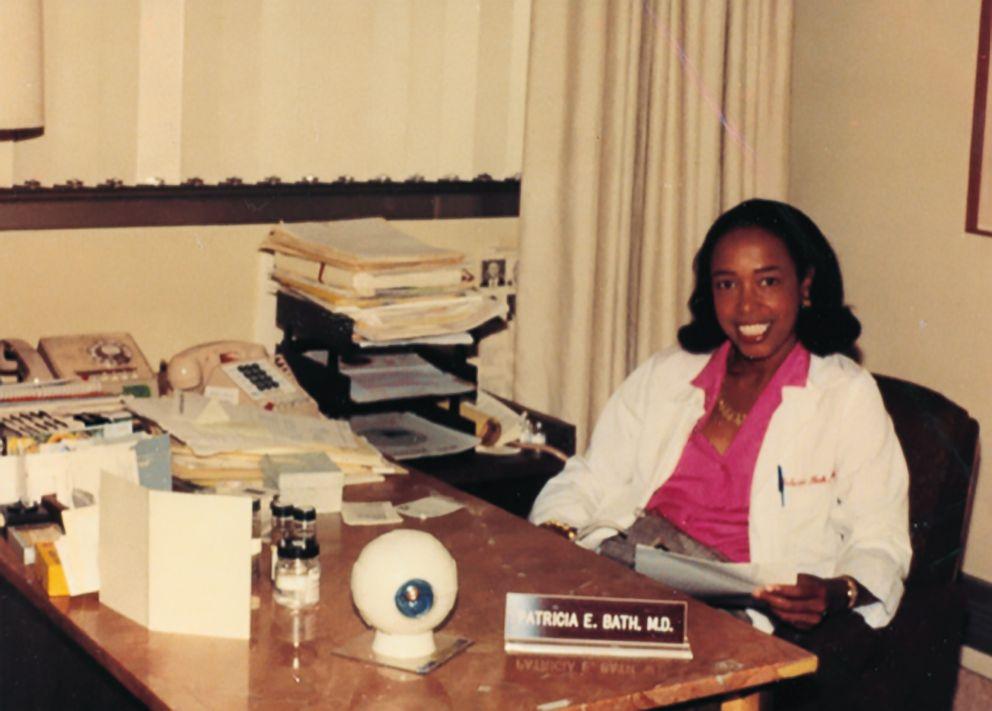
Meet Patricia Bath, a trailblazing ophthalmologist and inventor who revolutionized the field of eye care. Born on November 4, 1942, in New York City’s Harlem neighborhood, Bath spent her life dedicated to improving the lives of people with vision impairments. At the age of 76, she passed away on May 30, 2019, leaving behind a legacy of groundbreaking achievements. As the first African American female doctor to receive a medical patent in 1988, Bath’s innovative spirit was evident in her invention of the Laserphaco Probe, a device that transformed cataract treatment.
Breaking Barriers in Ophthalmology
Patricia Bath’s early interest in science and medicine was evident from a young age. Growing up in Harlem, New York, she was drawn to the field of ophthalmology, which she believed had the potential to improve the lives of people around the world. Bath’s determination and passion for science led her to pursue a career in medicine, despite the challenges she faced as a Black woman in a male-dominated field.
Bath’s achievements in ophthalmology are a testament to her hard work and dedication. She was the first African American female doctor to receive a medical patent in 1988 for her invention of the Laserphaco Probe. This device revolutionized the treatment of cataracts, making it possible for doctors to remove cataracts more efficiently and effectively. Bath’s invention improved the lives of countless people, and her patent achievement paved the way for future generations of women and minorities in the field of ophthalmology.
In addition to her work as an inventor and doctor, Bath was also a co-founder of the American Institute for the Prevention of Blindness in 1976. This organization established that “eyesight is a basic human right,” and Bath’s work with the institute helped to raise awareness about the importance of eye health and access to eye care. Her contributions to the field of ophthalmology and her advocacy for eye health as a human right have left a lasting impact on the medical community and beyond.
Groundbreaking Medical Inventions

Patricia Bath revolutionized the field of ophthalmology with her groundbreaking invention, the Laserphaco Probe. This innovative device significantly improved treatment for cataract patients by allowing for a more precise and efficient removal of cataracts. The Laserphaco Probe enabled doctors to perform the procedure with greater accuracy and reduced the risk of complications, ultimately improving patient outcomes.
Bath’s invention of the Laserphaco Probe earned her a major milestone in her career: she became the first African American female doctor to receive a medical patent in 1988. This achievement marked a significant breakthrough for women and minorities in the medical field, demonstrating that innovation and excellence can come from diverse backgrounds. Patricia Bath’s patent for the Laserphaco Probe paved the way for future generations of women and minorities to pursue careers in medicine and innovation.
The Laserphaco Probe also had a profound impact on the field of ophthalmology, enabling doctors to treat a wider range of patients and improving overall eye health. Bath’s contributions to the field have had a lasting impact, and her legacy continues to inspire and motivate others to pursue careers in medicine and innovation.
A Trailblazing Career in Medicine

Patricia Bath’s medical education laid the foundation for her trailblazing career in ophthalmology. She earned her Bachelor of Science degree from Hunter College in 1964 and her Doctor of Medicine degree from Howard University College of Medicine in 1968. Bath then completed her residency in ophthalmology at New York Hospital-Cornell Medical Center, followed by a fellowship in corneal disease at the University of California, Los Angeles (UCLA).
| Biography Aspect | Details |
|---|---|
| Full Name | Patricia Era Bath |
| Date of Birth | November 4, 1942 |
| Age | 76 years |
| Place of Birth | New York City’s Harlem neighborhood, New York, USA |
| Nationality | American |
| Occupation | Doctor, Inventor |
| Notable Works / Achievements | Invented the Laserphaco Probe, Co-founder of the American Institute for the Prevention of Blindness |
| Awards / Honors | First African American female doctor to receive a medical patent in 1988, Inducted into the National Inventors Hall of Fame |
| Date of Death | May 30, 2019 |
As a practicing ophthalmologist, Bath made significant contributions to the field. She was a pioneer in the treatment of cataracts, and her work led to the development of the Laserphaco Probe, a device that revolutionized cataract surgery. Bath was the first African American female doctor to receive a medical patent in 1988, a testament to her groundbreaking work in ophthalmology. Her expertise and dedication to improving eye care earned her recognition as a leading figure in her field.
Bath’s achievements extended beyond her medical practice. She was a co-founder of the American Institute for the Prevention of Blindness in 1976, an organization that aimed to establish “eyesight as a basic human right.” Her commitment to improving access to eye care and her tireless advocacy for eye health as a fundamental human right left a lasting impact on the medical community and beyond.
Advocating for Eye Health and Human Rights
Patricia Bath was a pioneering advocate for eye health and human rights. She co-founded the American Institute for the Prevention of Blindness in 1976, an organization that aimed to establish that “eyesight is a basic human right.” This mission-driven initiative reflected her dedication to increasing access to eye care and reducing the burden of preventable blindness worldwide. Through her work with the American Institute, Bath highlighted the importance of eye health as a fundamental aspect of human well-being.
As a leading figure in the field of ophthalmology, Bath recognized the significant disparities in eye care access that existed, particularly among marginalized communities. Her advocacy efforts sought to address these inequities and promote a more inclusive approach to eye health. By emphasizing the importance of eye health as a human right, Bath’s work helped to raise awareness about the need for accessible and equitable eye care services.
Through her tireless advocacy and commitment to eye health, Patricia Bath made a lasting impact on the field of ophthalmology and beyond. Her legacy continues to inspire new generations of healthcare professionals and advocates, who are working to build on her vision of a world where everyone has access to quality eye care and the right to sight. Her pioneering work with the American Institute for the Prevention of Blindness remains a testament to her enduring commitment to this cause.
Personal Life and Legacy
Patricia Bath was a devoted wife and mother who balanced her personal life with her groundbreaking career in ophthalmology. She was married to Julian Ernest Bath Jr., a psychiatrist, and the couple had two children together. Despite the demands of her profession, Bath prioritized her family and was known for her warm and nurturing personality.
As a pioneering ophthalmologist and inventor, Patricia Bath left an indelible mark on the medical field. Her legacy extends beyond her numerous achievements, including the invention of the Laserphaco Probe and her status as the first African American female doctor to receive a medical patent. She co-founded the American Institute for the Prevention of Blindness, an organization that continues to advocate for eye health as a fundamental human right. Through her work, Bath empowered countless individuals and inspired future generations of medical professionals.
Bath’s commitment to her work and her community has had a lasting impact on the field of ophthalmology. Her dedication to improving eye care and her tireless advocacy for human rights have set a high standard for medical professionals and inventors alike. As a testament to her enduring legacy, Bath was inducted into the National Inventors Hall of Fame, a prestigious honor that recognizes her groundbreaking contributions to science and medicine.
Net Worth and Recognition
Patricia Bath’s net worth is not publicly disclosed. However, her groundbreaking contributions to the field of ophthalmology have earned her numerous awards and recognition. She was the first African American female doctor to receive a medical patent in 1988 for her invention of the Laserphaco Probe.
Bath’s pioneering work in ophthalmology has been recognized by various institutions. She was inducted into the National Inventors Hall of Fame, a prestigious honor that acknowledges her innovative contributions to the field. Her dedication to improving eye health has also earned her recognition from the American Institute for the Prevention of Blindness, an organization she co-founded in 1976. The organization’s mission to establish eye health as a basic human right reflects Bath’s commitment to making a positive impact on society.
Bath’s legacy continues to inspire future generations of medical professionals and inventors. Her induction into the National Inventors Hall of Fame is a testament to her enduring impact on the field of ophthalmology. As a pioneering figure in her field, Bath’s contributions have paved the way for others to follow in her footsteps and continue her work towards improving eye health and preventing blindness.