![Dr. Petra Young [Dr. Jeff wife] is a Slovakian-American. Her Wiki/Bio Facts.](https://www.liveroger.com/wp-content/uploads/2026/06/Dr._Petra_Mickova-150x150.jpg "Dr. Petra Mickova Biography")


Richard Jewell, the American security guard who became an unlikely hero after discovering a backpack containing three pipe bombs at the Centennial Olympic Park during the 1996 Summer Olympics in Atlanta, Georgia, is a name synonymous with heroism and tragic misjudgment. Born on December 17, 1962, Jewell’s life took a dramatic turn when he alerted police to the potential threat, saving countless lives in the process. Initially hailed as a hero, Jewell’s reputation was soon tarnished by an FBI investigation that led to a media frenzy, resulting in a devastating loss of reputation and a lasting impact on his life. This article delves into the life of Richard Jewell, exploring his heroism, the FBI investigation, and the lasting effects on his life, including his net worth, age, and marriage.
Heroic Actions at Centennial Olympic Park
On July 27, 1996, the world was shaken by a devastating bombing at Centennial Olympic Park in Atlanta, Georgia, during the 1996 Summer Olympics. Richard Jewell, a 33-year-old security guard, was on duty at the park when he discovered a suspicious backpack containing three pipe bombs. Without hesitation, Jewell alerted police and helped evacuate the area, saving countless lives. His swift actions undoubtedly prevented a much larger tragedy.
As the bomb exploded, Jewell’s heroism was evident. His quick thinking and bravery in the face of danger undoubtedly saved many people from injury or death. The park was filled with thousands of spectators, and Jewell’s actions undoubtedly prevented a catastrophe of epic proportions. His selfless act of heroism would be remembered for years to come.
The aftermath of the bombing saw a massive response from law enforcement and emergency services. The area was cordoned off, and a thorough investigation was launched to identify the perpetrator. Jewell’s discovery of the backpack and his subsequent evacuation efforts were hailed as a heroic act, and he was initially celebrated as a hero by the media.
The FBI Investigation and Adverse Publicity
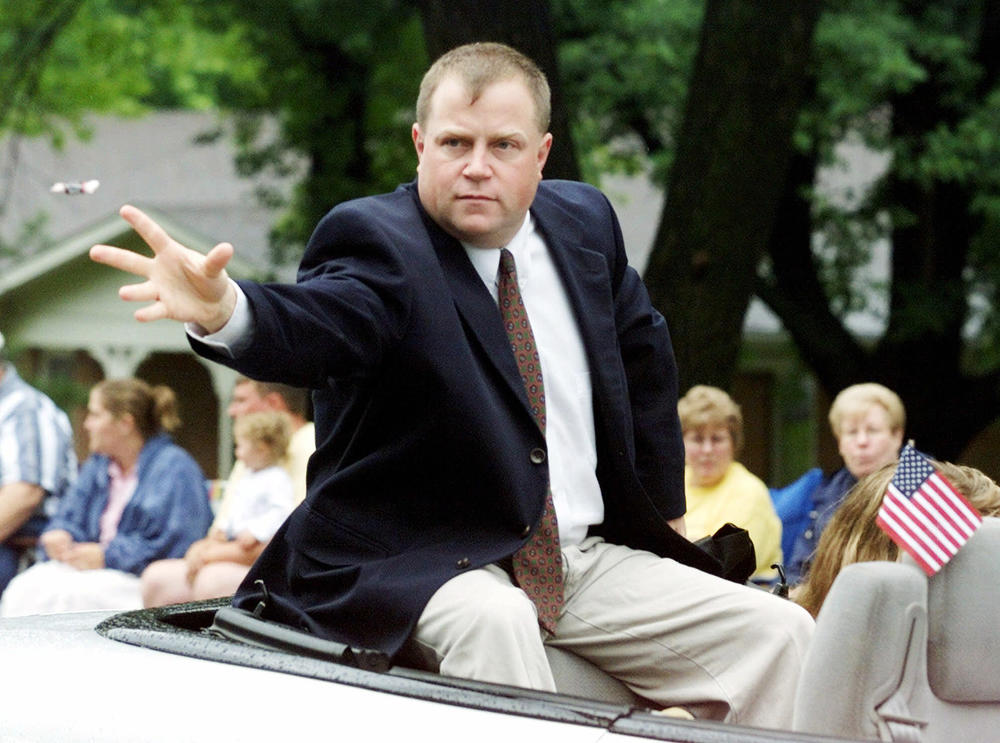
The FBI’s suspicion of Richard Jewell was sparked by psychological profiling, which led them to believe he was capable of planting the bomb. This profiling was based on Jewell’s behavior and characteristics, but it ultimately proved to be incorrect. Despite never being charged, Jewell’s reputation was severely damaged by the media’s portrayal of him as a suspect.
The media’s portrayal of Jewell as a suspect was a result of the FBI’s investigation, which was heavily publicized. Jewell’s name was leaked to the press, and he was subsequently vilified by the media and the public. This adverse publicity “came to symbolize the excesses of law enforcement and the news media,” highlighting the dangers of jumping to conclusions and the importance of due process.
The FBI’s investigation into Jewell was a prime example of the risks of relying on psychological profiling. Jewell was subjected to intense scrutiny, and his reputation was irreparably harmed. The experience took a significant toll on Jewell’s mental health and well-being, and it would ultimately have lasting consequences for his life.
Personal Life and Marriage
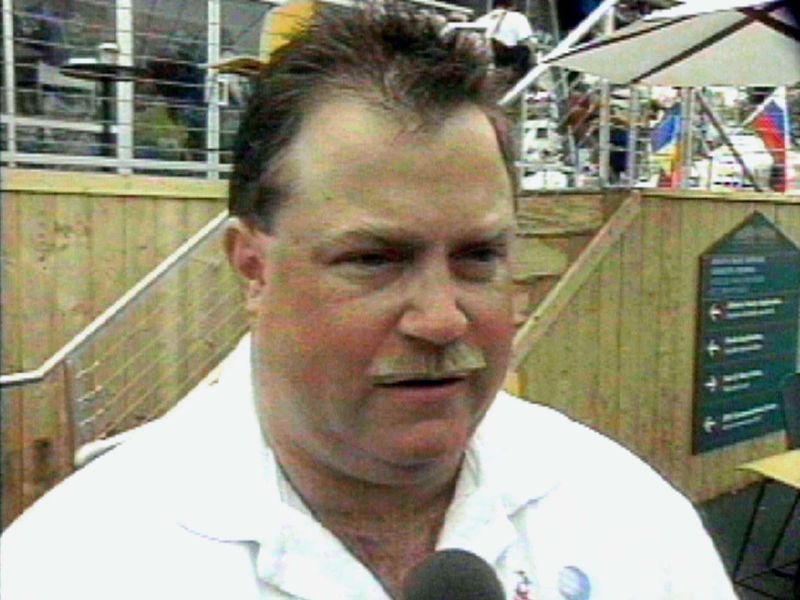
Richard Jewell’s background was marked by a strong sense of duty and responsibility. Born on December 17, 1962, Jewell grew up in a family that valued public service. His parents, Bob and Barbara Jewell, instilled in him a sense of civic duty that would later define his actions as a security guard. Jewell’s early life was marked by a desire to serve his community, which ultimately led him to pursue a career in law enforcement.
| Biography Aspect | Details |
|---|---|
| Full Name | Richard Allensworth Jewell |
| Date of Birth | December 17, 1962 |
| Age | 44 years (at the time of the Centennial Olympic Park bombing) |
| Nationality | American |
| Occupation | Security Guard, Law Enforcement Officer |
| Notable Works / Achievements | Alerted police during the Centennial Olympic Park bombing |
| Other Relevant Details | Experienced adverse publicity and was suspected of planting the bomb |
| Date of Death | August 29, 2007 |
In 1996, Jewell met his future wife, Dana Jewell, at a local restaurant in Atlanta. The couple’s relationship blossomed, and they eventually got married. Dana Jewell became a source of strength and support for Richard during the tumultuous period following the Centennial Olympic Park bombing. Her unwavering loyalty and love helped Jewell navigate the intense media scrutiny and public criticism that he faced. The couple’s marriage was a testament to the enduring power of love and commitment.
Throughout his life, Jewell’s relationship with Dana Jewell remained a constant source of comfort and inspiration. Despite the challenges he faced, Jewell’s love for his wife and his commitment to their relationship remained unwavering. Dana Jewell played a crucial role in helping Jewell cope with the aftermath of the FBI investigation, and their marriage became a beacon of hope and resilience in the face of adversity.
Career as a Security Guard and Law Enforcement Officer
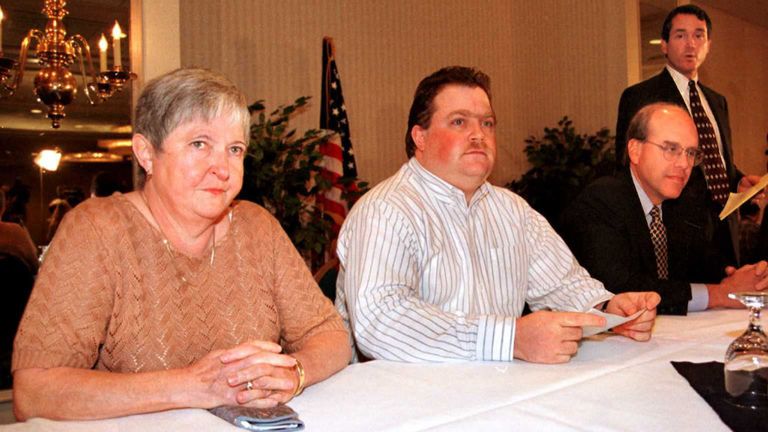
Richard Jewell’s career in law enforcement and security began in the 1990s. Prior to his heroic actions at the Centennial Olympic Park, Jewell worked as a security guard for the Fulton County Public Works Department. He was responsible for monitoring the park’s grounds and ensuring the safety of visitors during the 1996 Summer Olympics.
As a security guard, Jewell underwent extensive training, including a Georgia Peace Officer Standards and Training (POST) certification. This certification is a requirement for law enforcement officers in the state of Georgia and demonstrates a commitment to upholding the highest standards of professionalism and integrity. Jewell’s training and certification prepared him for the fast-paced and dynamic environment of the Olympics, where he would ultimately play a crucial role in saving lives.
Jewell’s experience as a security guard also provided him with a strong foundation in law enforcement principles and procedures. He was well-versed in emergency response protocols and was able to think critically in high-pressure situations. These skills would serve him well in his future career as a law enforcement officer, where he would continue to apply his knowledge and experience to protect and serve his community.
Legacy and Impact
Richard Jewell’s heroic actions on July 27, 1996, at the Centennial Olympic Park during the 1996 Summer Olympics in Atlanta, Georgia, have left a lasting impact on law enforcement and the media. His selfless act of discovering a backpack containing three pipe bombs and helping evacuate the area before the bomb exploded, saving many people from injury or death, has been widely recognized as a heroic feat. Jewell’s actions that day not only showcased his bravery but also highlighted the importance of vigilant and quick-thinking individuals in preventing catastrophic events.
The FBI’s subsequent investigation and the media’s portrayal of Jewell as a suspect, however, had a profound impact on the way law enforcement and the media handle high-profile cases. Jewell’s story came to symbolize the excesses of law enforcement and the news media, with many criticizing the FBI’s use of psychological profiling and the media’s rush to judgment. This incident led to a renewed focus on the importance of due process and the need for law enforcement agencies to be more transparent in their investigations.
Jewell’s legacy as a hero has been recognized through various tributes and awards. The Richard Jewell Award, established in his honor, is presented annually to individuals who have demonstrated exceptional bravery and selflessness in the face of danger. Jewell’s story has also been the subject of several books, films, and documentaries, serving as a reminder of the importance of vigilance and the need for law enforcement agencies to be mindful of the impact of their actions on individuals and communities.
Net Worth and Later Life
Richard Jewell’s financial situation was significantly impacted by the adverse publicity he received during the FBI investigation. Despite being hailed as a hero initially, Jewell’s reputation was tarnished, and he struggled to find employment in the security industry. He eventually received a $600,000 settlement from Cox Enterprises, the parent company of the Atlanta Journal-Constitution, for libel and defamation. This settlement helped alleviate some of the financial strain Jewell faced due to the media’s portrayal of him as a suspect.
In addition to the settlement, Jewell also received a $500,000 settlement from the Atlanta Journal-Constitution for libel and defamation. These financial awards were a small consolation for the emotional toll the investigation and media scrutiny took on Jewell’s life. He continued to work as a security guard, albeit with a tarnished reputation, and struggled to find employment in his field.
Jewell’s later life was marked by a sense of vindication, albeit posthumously. In 2007, the FBI officially cleared Jewell’s name, stating that he was not a suspect in the Centennial Olympic Park bombing. Jewell passed away on August 29, 2007, at the age of 44, due to complications from a heart attack. His legacy as a hero was finally recognized, and he was posthumously awarded the National Hero Award by the National Association of Security Companies.
![Dr. Petra Young [Dr. Jeff wife] is a Slovakian-American. Her Wiki/Bio Facts.](https://www.liveroger.com/wp-content/uploads/2026/06/Dr._Petra_Mickova.jpg)


