









The Gold Rush, a phenomenon that captured the imagination of millions, was a discovery of gold that brought an onrush of miners seeking their fortune in the 19th century. This era of gold fever saw major gold rushes take place in various parts of the world, including the United States, Australia, and South Africa. The wealth generated by these discoveries was distributed widely, with some individuals making large fortunes, while others, including merchants and transportation facilities, reaped significant profits. The resulting increase in the world’s gold supply stimulated global trade and investment, leaving an indelible mark on the course of history. This phenomenon continues to fascinate people to this day, with its legacy still felt in the modern world.
The Discovery that Sparked a Frenzy
In the early 19th century, a series of discoveries sparked a frenzy of gold fever that would sweep across the globe. The first major discovery took place in 1823 in New South Wales, Australia, where a convict named Edward Hargraves stumbled upon a gold nugget in a creek bed. This find was later confirmed to be gold, and news of the discovery spread quickly, attracting thousands of prospectors to the area.
The initial reaction of the public was one of excitement and optimism. Many people saw the discovery as an opportunity to strike it rich and leave their troubles behind. The promise of gold sparked a sense of possibility and freedom, drawing people from all walks of life to the goldfields. The Australian gold rush of 1851-1861 is estimated to have involved over 300,000 miners, with many more flocking to the United States, where similar discoveries were made in California, Colorado, and other states. The allure of gold proved irresistible, and the gold rush became a defining feature of the 19th century.
As news of the gold discoveries spread, the gold rush spread to other parts of the world, including the United States, where the California Gold Rush of 1848-1855 drew an estimated 300,000 to 500,000 prospectors. The gold rush was a global phenomenon, with gold discoveries in Australia, the United States, and other countries drawing people from all over the world. The excitement and optimism of the gold rush era would have a lasting impact on the course of history, shaping the economies and societies of the countries involved.
A Century of Gold Fever: Major Rushes and their Locations
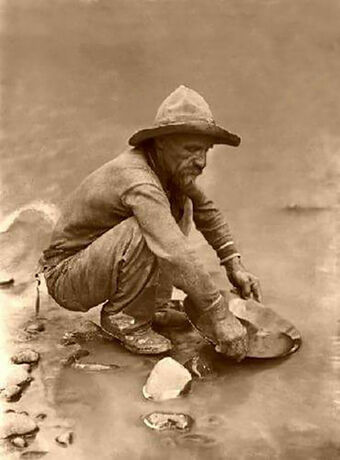
The 19th century was marked by numerous gold rushes that drew millions of prospectors to various parts of the world. Australia’s New South Wales gold rush of 1851 is considered one of the most significant, with an estimated 80,000 miners flocking to the region in search of gold. The California Gold Rush of 1848-1855 in the United States saw an influx of over 300,000 miners, while the Victorian Gold Rush of 1851-1861 in Australia attracted around 600,000 miners. Other notable gold rushes took place in Greece (1843-1844), Venezuela (1860), New Zealand (1861-1864), Brazil (1690-1695, but with a significant increase in the 19th century), Chile (1850-1852), and South Africa (1886).
In addition to these major gold rushes, smaller discoveries were made in various parts of the world, including Canada (1861-1867). The Klondike Gold Rush of 1896-1899 in Canada’s Yukon Territory, although smaller in scale, is still notable for its impact on the region’s development. The Transvaal Gold Rush of 1886 in South Africa was another significant event, drawing thousands of miners to the region. These gold rushes not only brought wealth to those who struck it lucky but also stimulated global trade and investment.
The sheer scale of these gold rushes is a testament to the allure of gold and the determination of those who sought to strike it rich. From the Australian gold rush to the California Gold Rush, each event played a significant role in shaping the economic and social landscape of the regions involved.
The Unlikely Winners: Merchants and Transportation Facilities

As the gold rush swept across the globe in the 19th century, a new class of entrepreneurs emerged, capitalizing on the frenzy and profiting from the chaos. Merchants and transportation facilities played a crucial role in the gold rush, providing essential services to miners and reaping large rewards in the process. With the reduced migration costs and low barriers to entry, it became easier for people to travel to gold rush locations, leading to an increase in demand for transportation services.
| Biography Aspect | Details |
|---|---|
| Common Name | Gold Rush |
| Date of Discovery | 19th century |
| Place of Discovery | Australia, Greece, Venezuela, New Zealand, Brazil, Chile, South Africa, the United States, and Canada |
| Occupation | Miner |
| Notable Works / Achievements | Stimulated global trade and investment |
| Other Relevant Details | Reduced migration costs and low barriers to entry |
| Time Period | 19th century |
| Type | Gold rush or gold fever |
| Description | A discovery of gold that brings an onrush of miners seeking their fortune |
Companies like Hannibal’s Ferry in California and Overland Telegraph Company in Australia saw significant profits as they transported miners and supplies to and from gold rush locations. The construction of the Panama Railway, which connected the Atlantic and Pacific Oceans, further facilitated the transportation of goods and people, making it easier for merchants to supply the miners with essential goods. These businesses not only made large profits but also helped to stimulate global trade and investment, as the increased gold supply led to a surge in economic activity.
The gold rush also led to the establishment of new businesses, such as banks and financial institutions, which provided loans and other financial services to miners and merchants. The development of new technologies, such as the hydraulic mining system, also enabled the large-scale extraction of gold, further increasing the demand for transportation and other services. As the gold rush continued to unfold, merchants and transportation facilities remained at the forefront, profiting from the chaos and helping to shape the course of global economic history.
The Global Impact: Stimulating Trade and Investment
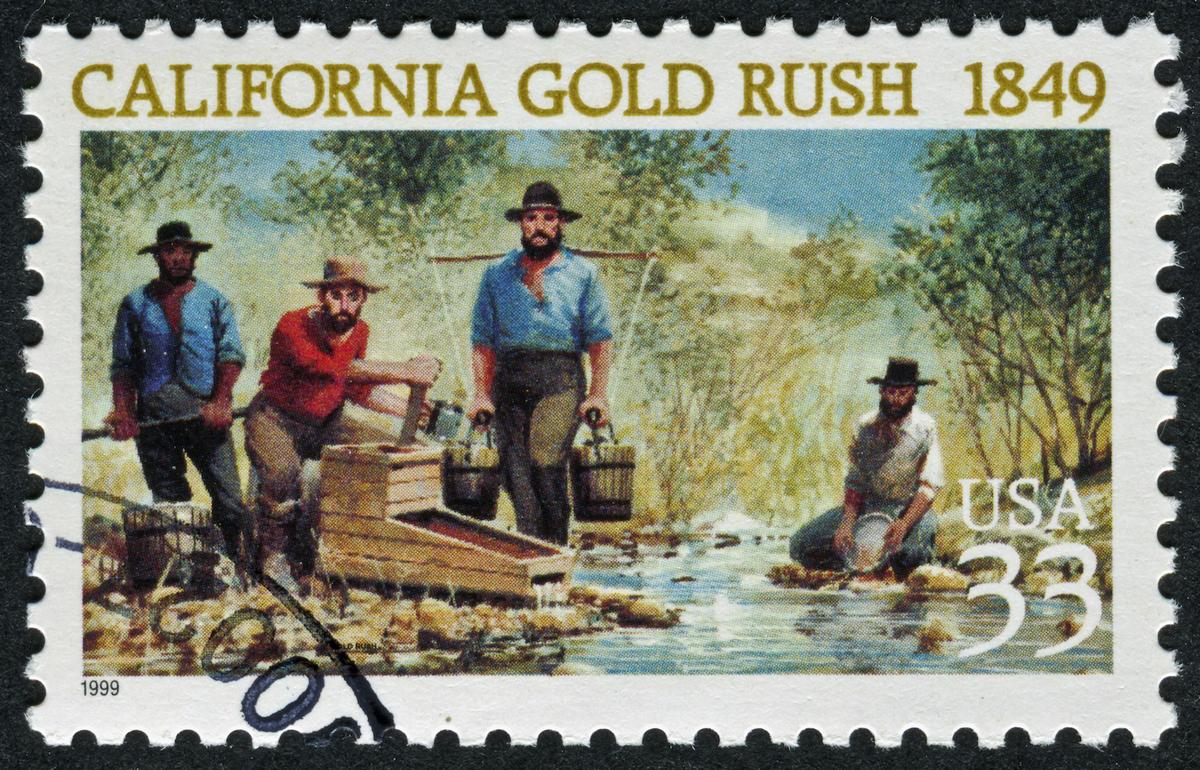
The increased gold supply resulting from the gold rushes of the 19th century had a profound impact on global trade and investment. The world’s gold supply more than doubled between 1850 and 1900, from approximately 2,000 tons to over 5,000 tons. This significant increase in the global gold supply stimulated trade and investment, as countries with gold reserves were able to back their currencies and engage in international trade with greater confidence.
The effect of the increased gold supply was felt across the globe, particularly in regions with established trade networks. The gold standard, which linked currencies to the value of gold, became increasingly popular, and countries with gold reserves, such as the United States and the United Kingdom, experienced a surge in international trade. The gold rush also facilitated the growth of international finance, as merchants and traders took advantage of the increased liquidity and stability provided by the gold standard.
The gold rush played a significant role in the economic development of many regions, particularly in the United States and Australia. The gold rush helped to spur the growth of cities and industries, as the influx of miners and merchants created new economic opportunities. The gold rush also facilitated the growth of transportation infrastructure, as roads, railways, and ports were built to support the movement of people and goods.
A Legacy of Boom and Bust: The End of the Gold Rush Era
As the gold rush era drew to a close, the boom and bust cycle that had defined the industry for nearly a century finally began to subside. The widespread distribution of wealth that had characterized the gold rush, thanks to reduced migration costs and low barriers to entry, slowly gave way to a more uneven economic landscape. While some individuals had made large fortunes through gold mining, the majority of diggers and mine owners found themselves struggling to turn a profit.
The decline of the gold rush had a profound impact on the economy and society. As the demand for gold began to wane, the industries that had sprung up to support the mining industry – including transportation facilities and merchants – began to contract. Many of these businesses had grown wealthy during the gold rush, but they were now forced to adapt to a new reality. The resulting economic downturn was felt across the globe, as the reduced gold supply had a ripple effect on international trade and investment.
Despite the challenges posed by the decline of the gold rush, its legacy continued to shape the world for generations to come. The increased gold supply that had characterized the era had stimulated global trade and investment, laying the groundwork for the economic growth and development that would follow in the 20th century. As the gold rush era came to a close, the world was left with a new appreciation for the value of gold and the power of human ingenuity in the face of adversity.
Timeline of Major Gold Rushes in the 19th Century
The 19th century was marked by a series of major gold rushes that took place across the globe. One of the earliest and most significant gold rushes occurred in Australia in 1851, known as the Victorian Gold Rush. This event saw an estimated 300,000 miners flock to the region, sparking a frenzy of gold fever that would spread to other parts of the world.
In the United States, the California Gold Rush of 1848-1855 drew an estimated 300,000 miners to the state, with many more following in subsequent years. The Klondike Gold Rush of 1896-1899 in Canada’s Yukon Territory saw an estimated 40,000 miners converge on the region, while the Australian Western Australian Gold Rush of 1889-1893 drew an estimated 10,000 miners. Other notable gold rushes took place in Brazil (1690-1720), Chile (1850-1852), Greece (1848-1852), New Zealand (1861-1864), South Africa (1886-1899), and Venezuela (1850-1851).
These major gold rushes had a profound impact on the global economy, stimulating trade and investment as the increased gold supply fueled economic growth. The resulting wealth and economic activity also led to the development of new technologies, infrastructure, and industries, shaping the course of modern history.